A 10-day workshop in July 2024 brought Palestinian architecture students to Malta to redesign a historic square in Żejtun. The work was about more than design. It was about cultural exchange, trust, and building the structure to make a sensitive collaboration run properly.
Context
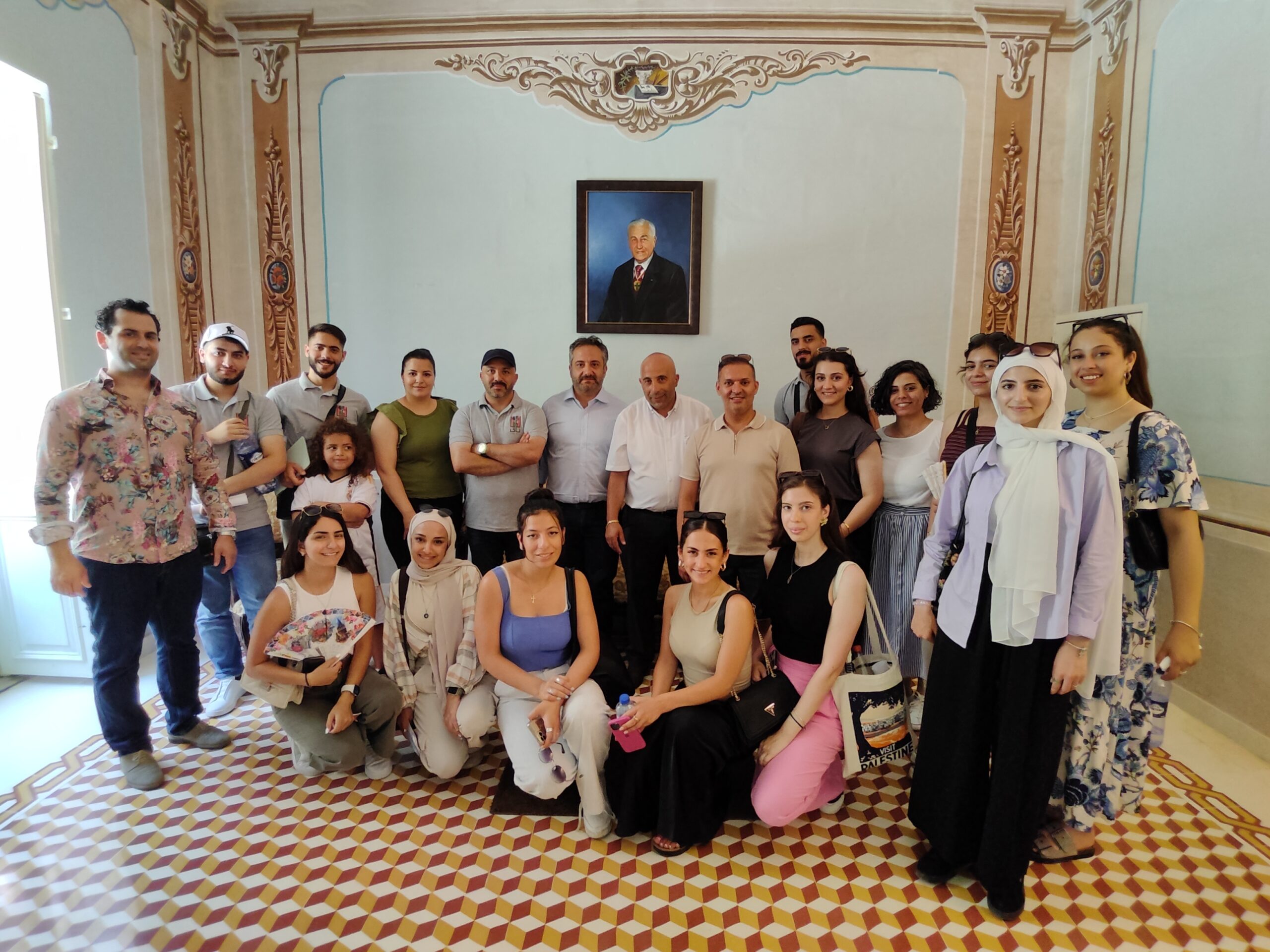
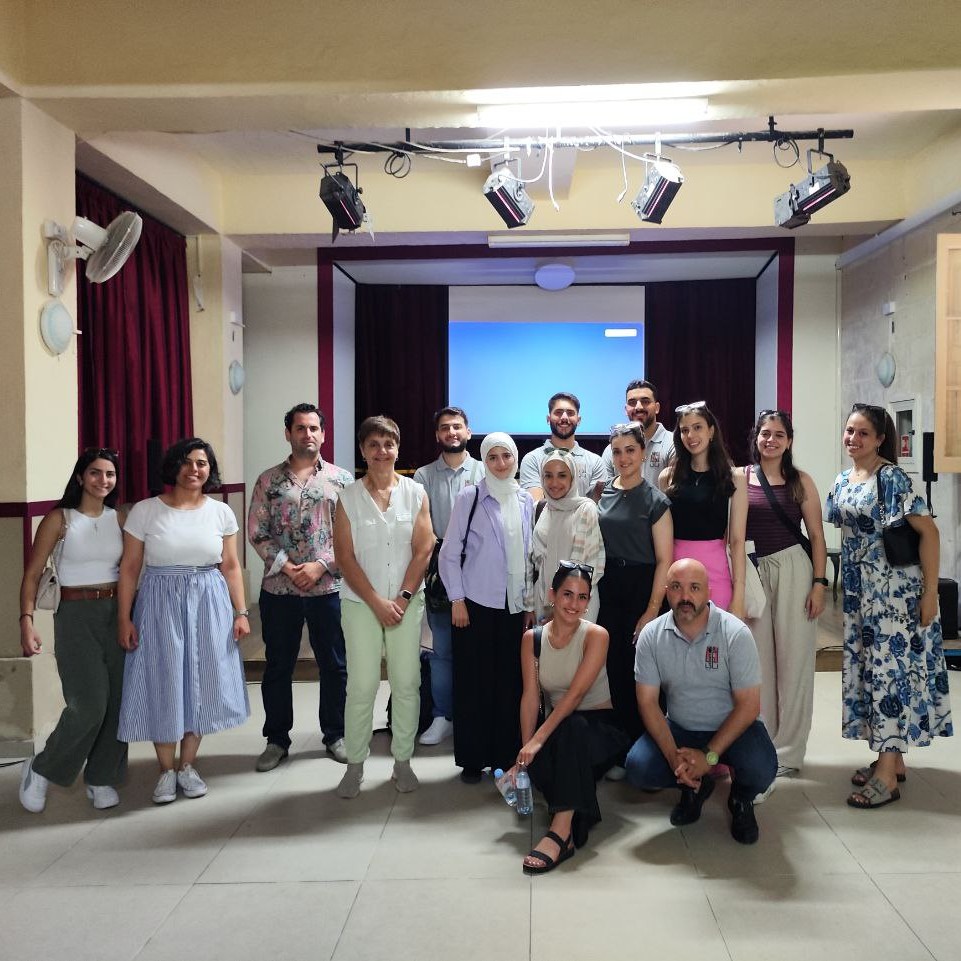
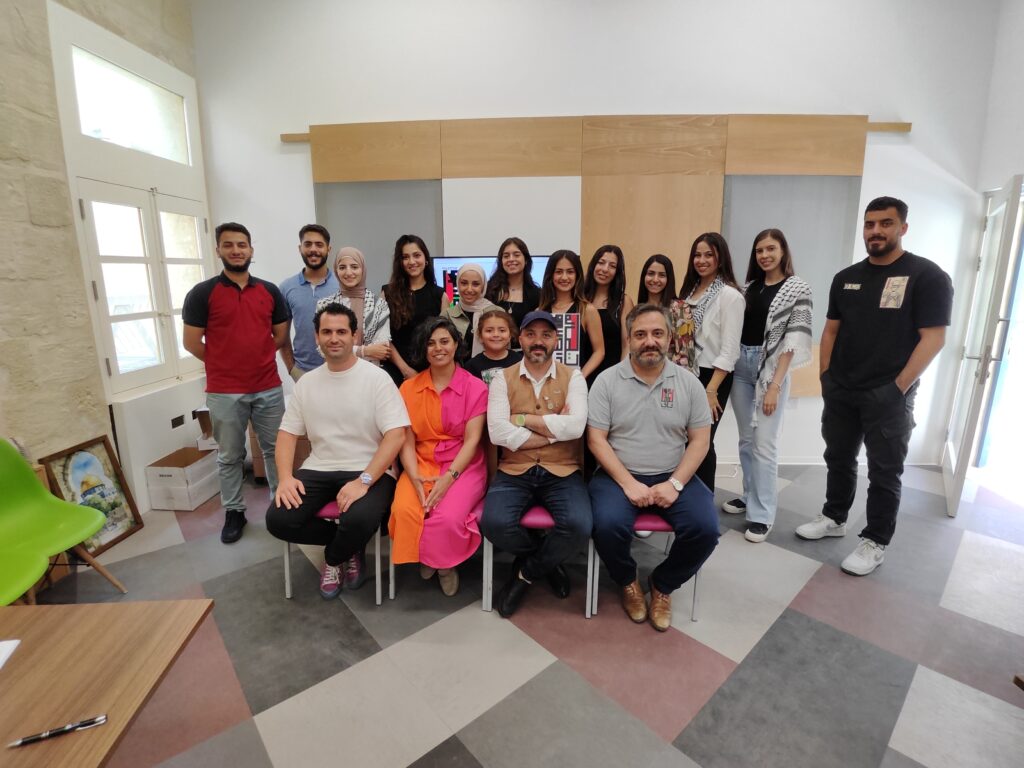
This initiative was led by Kamra tal-Periti in collaboration with the Association of Architects in Palestine, under UMAR (Union of Mediterranean Architects). It hosted 15 architecture and planning students from Birzeit University, Palestine, for an intensive workshop held between 18 and 28 July 2024, focused on redesigning Misraħ Santa Marija (St Mary Square) in the historic centre of Żejtun, Malta.
Joeaby led the initiative while serving as Communications and International Secretary at Kamra tal-Periti, coordinating across institutions locally and internationally to make the programme possible and ensure it was delivered with discipline, dignity, and transparency.
Fit & Intent
The purpose was practical and cultural at once. The workshop aimed to produce credible design proposals for a real place, grounded in community feedback and Maltese heritage, while also fostering cross-cultural exchange and professional ties across the Mediterranean.
The intent was also structural. This was not a symbolic visit. It required serious coordination across consular support, government entities, sponsors, local institutions, venues, accommodation, transport, and day-to-day logistics. The standard had to be high because the context was sensitive, and because the relationship being built needed to be trustworthy.
Direction
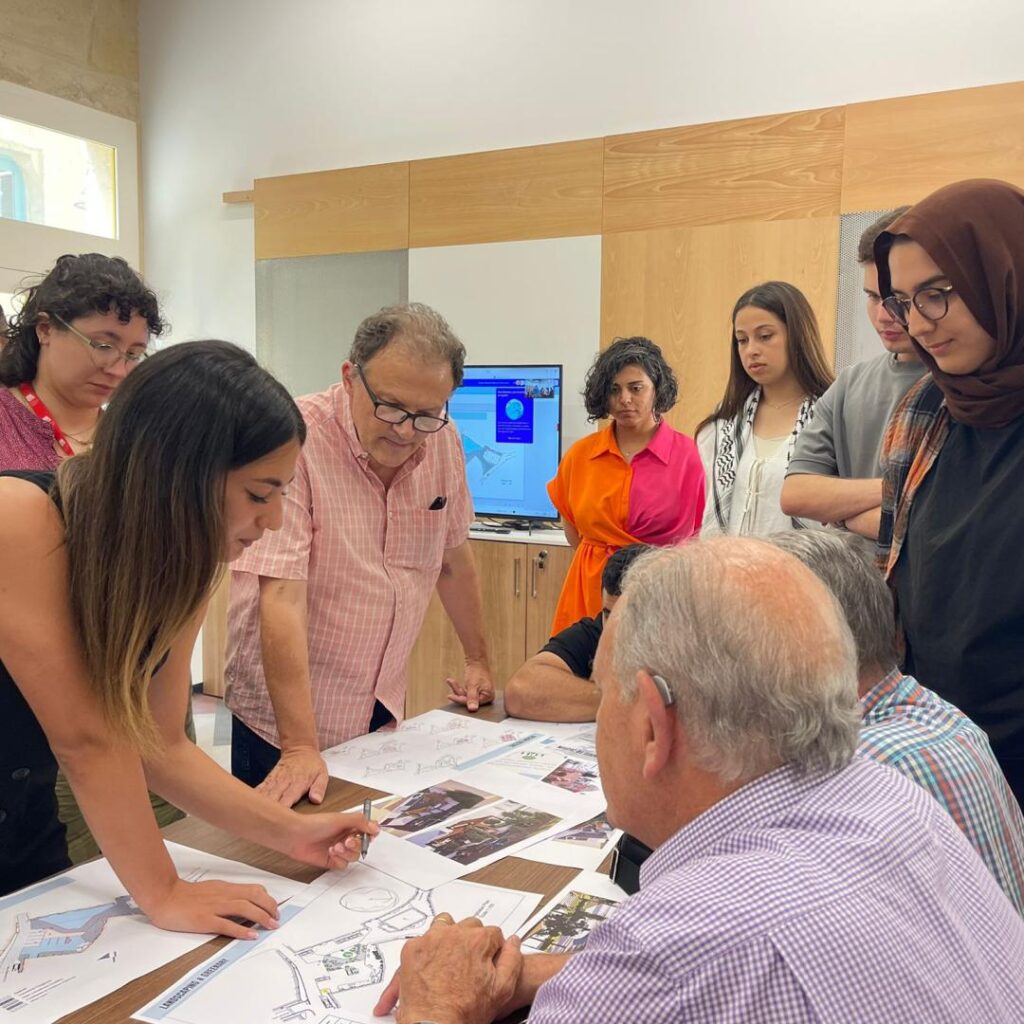
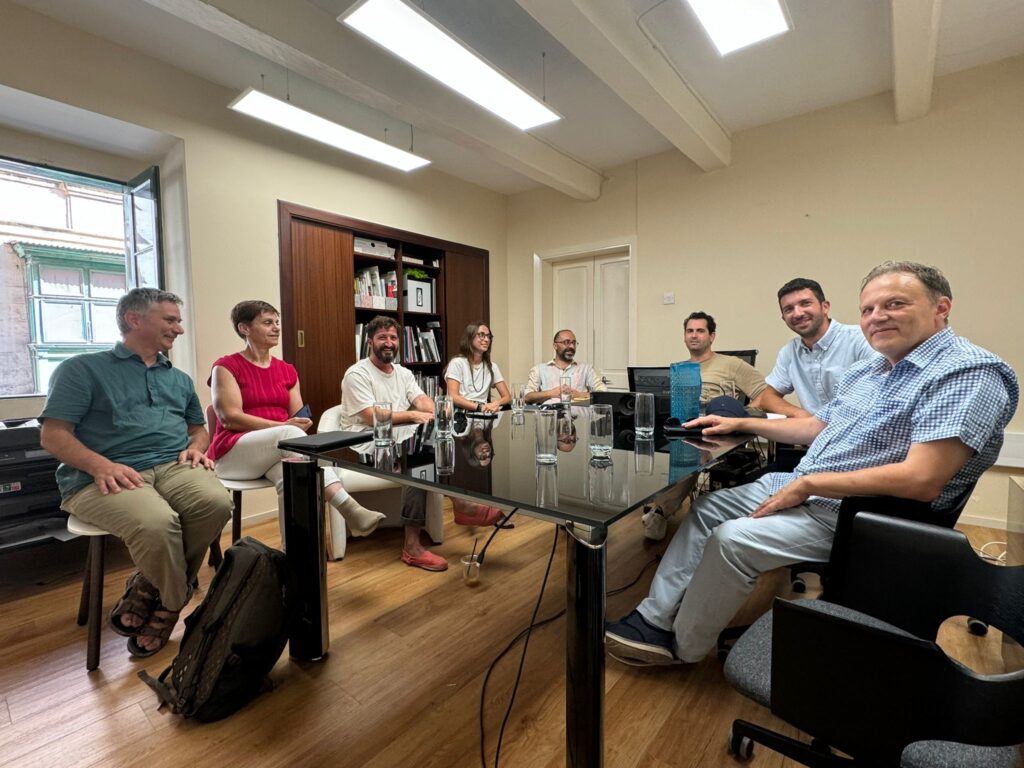
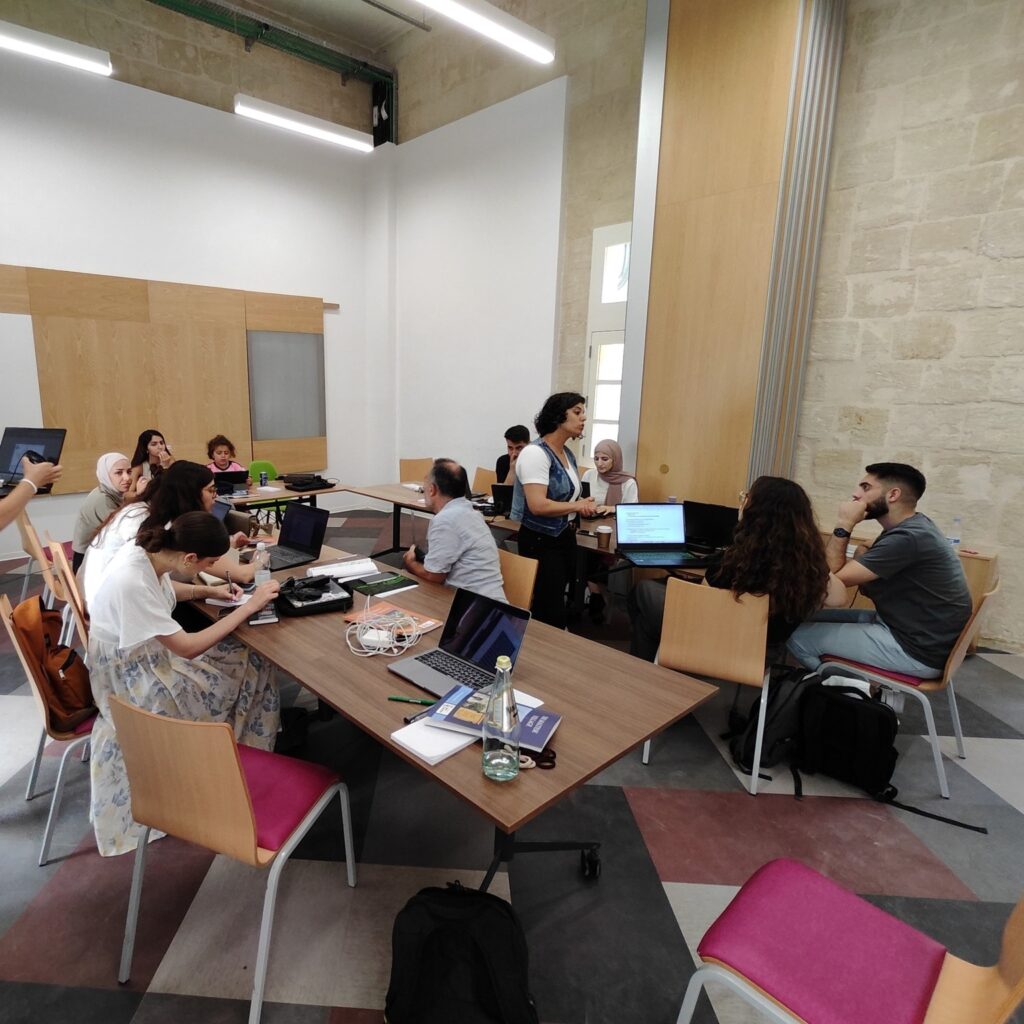
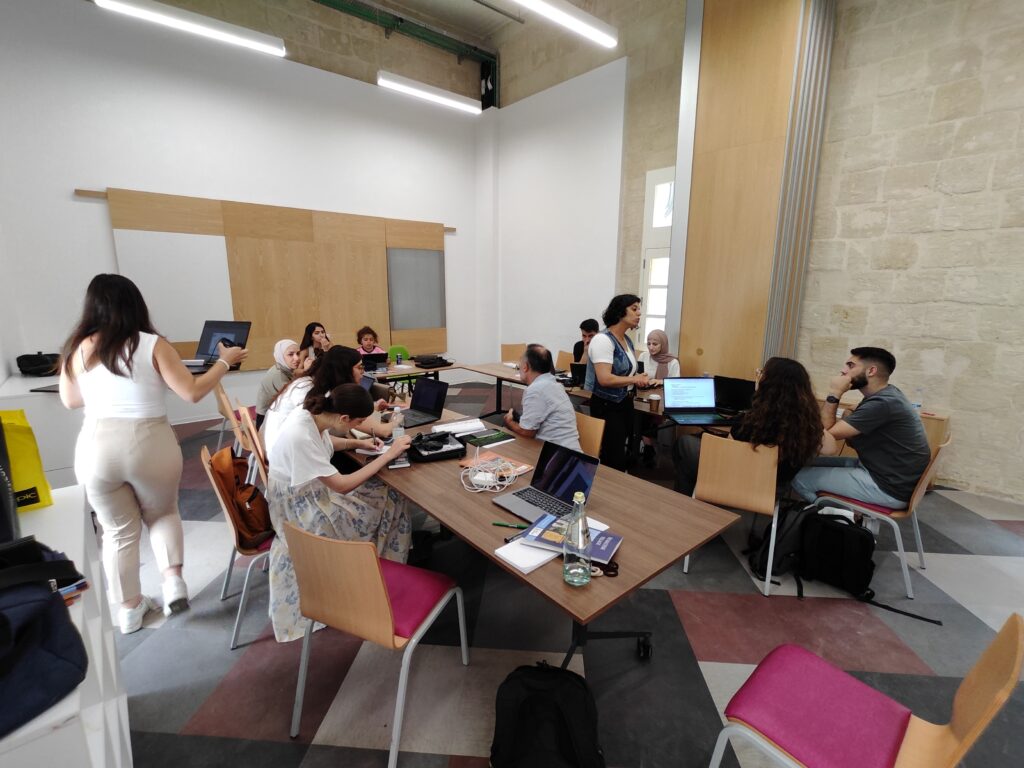
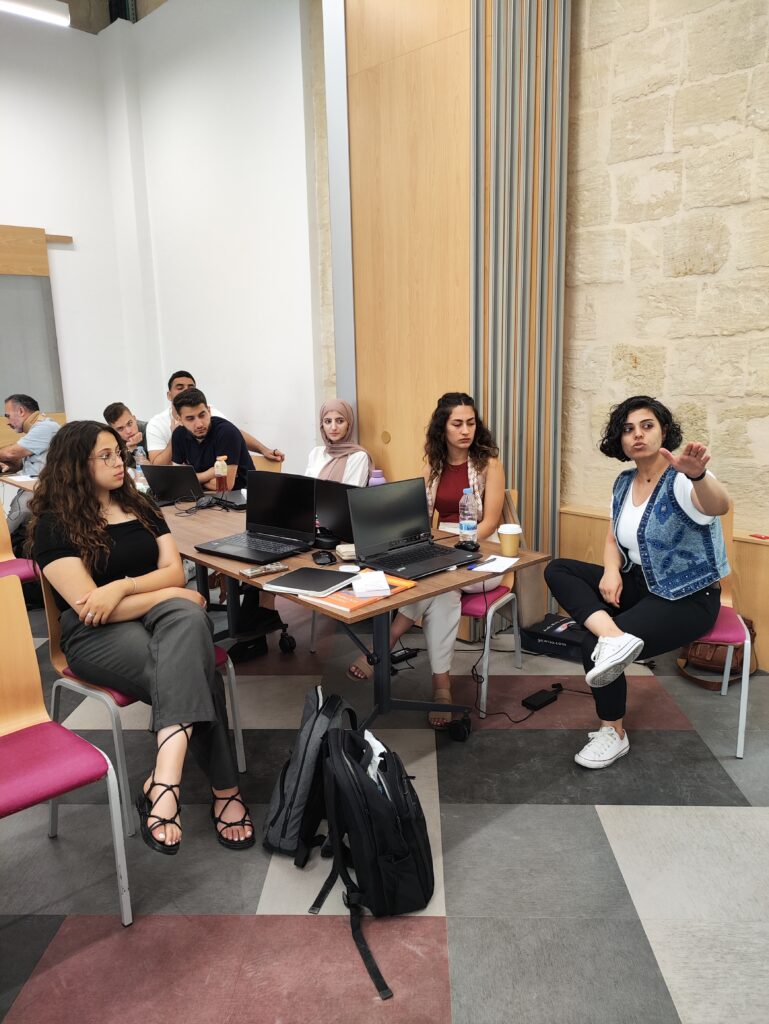
The workshop was based at the Valletta Design Cluster, where students developed briefs, delegated tasks, and worked through studio sessions and design reviews.
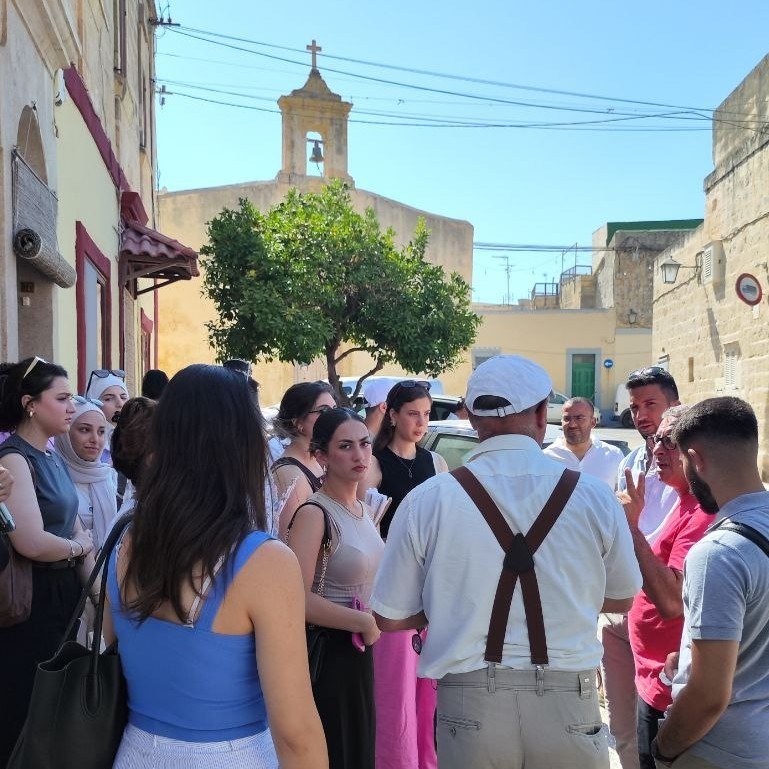
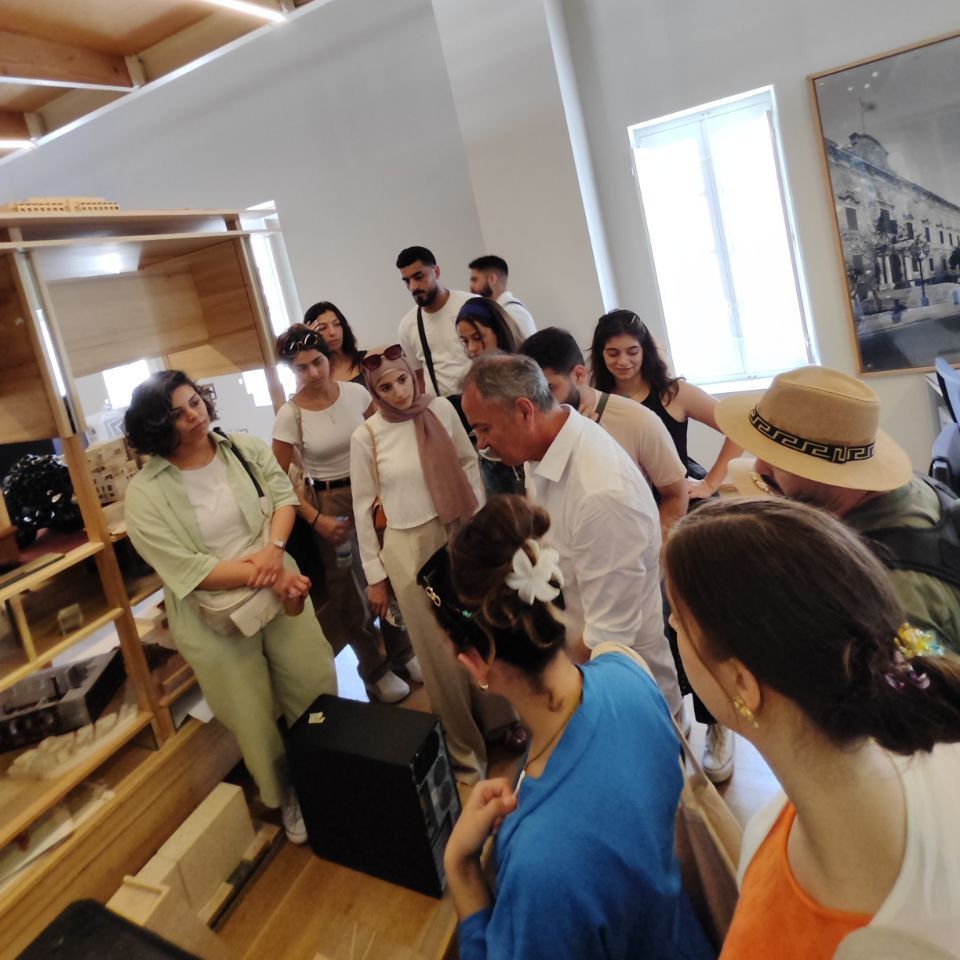
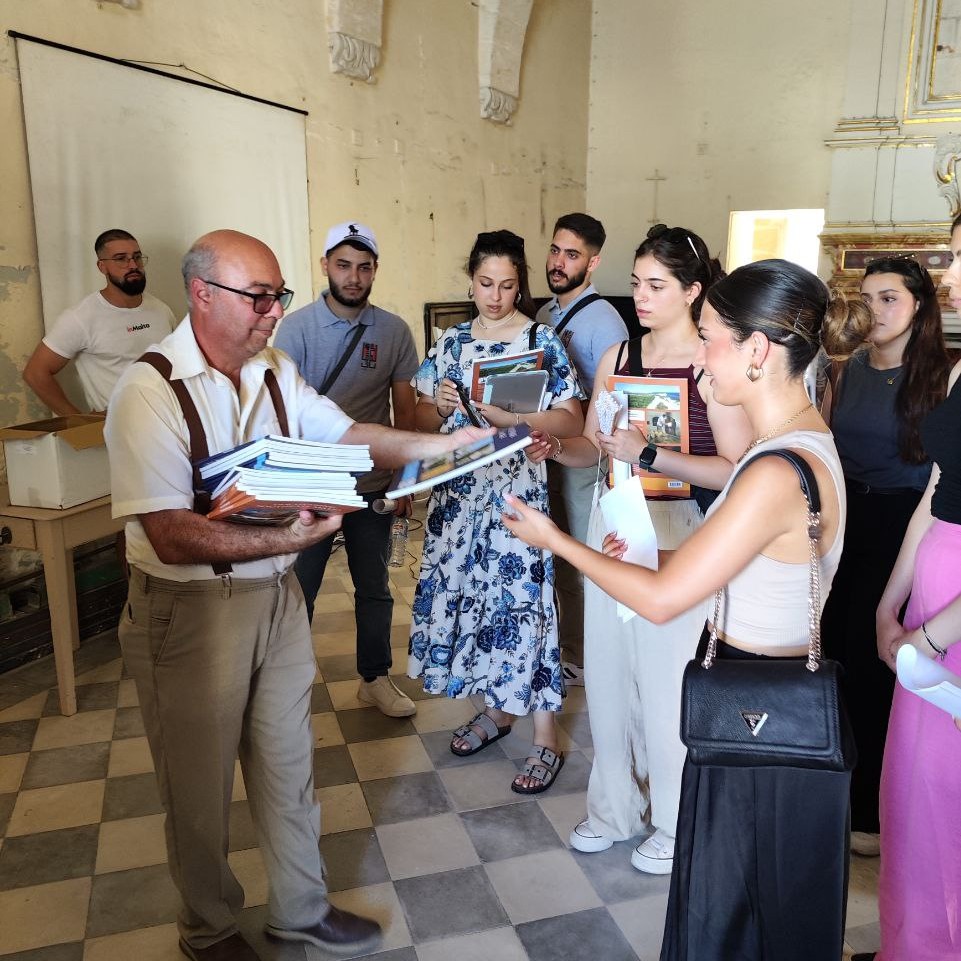
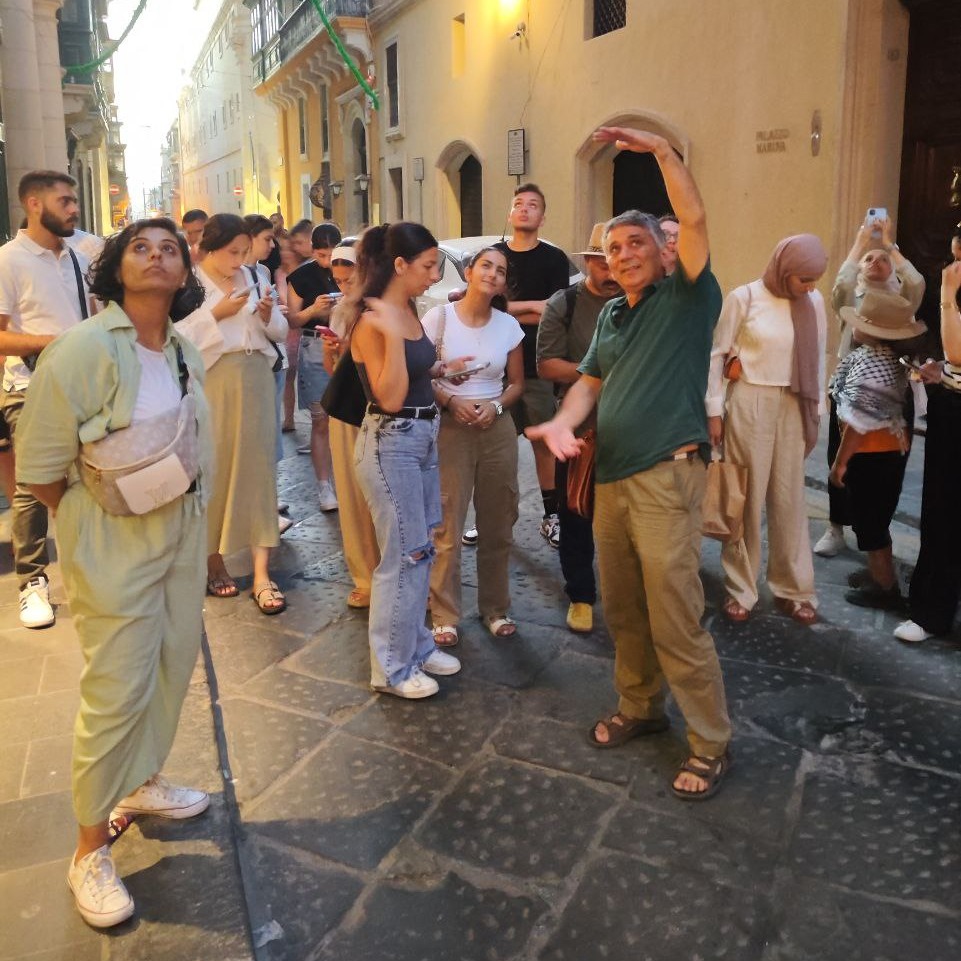
The programme was designed to pull the work into the real city and real community. It included site visits, engagement with residents, and structured input from local experts on history, conservation, and architectural practice.
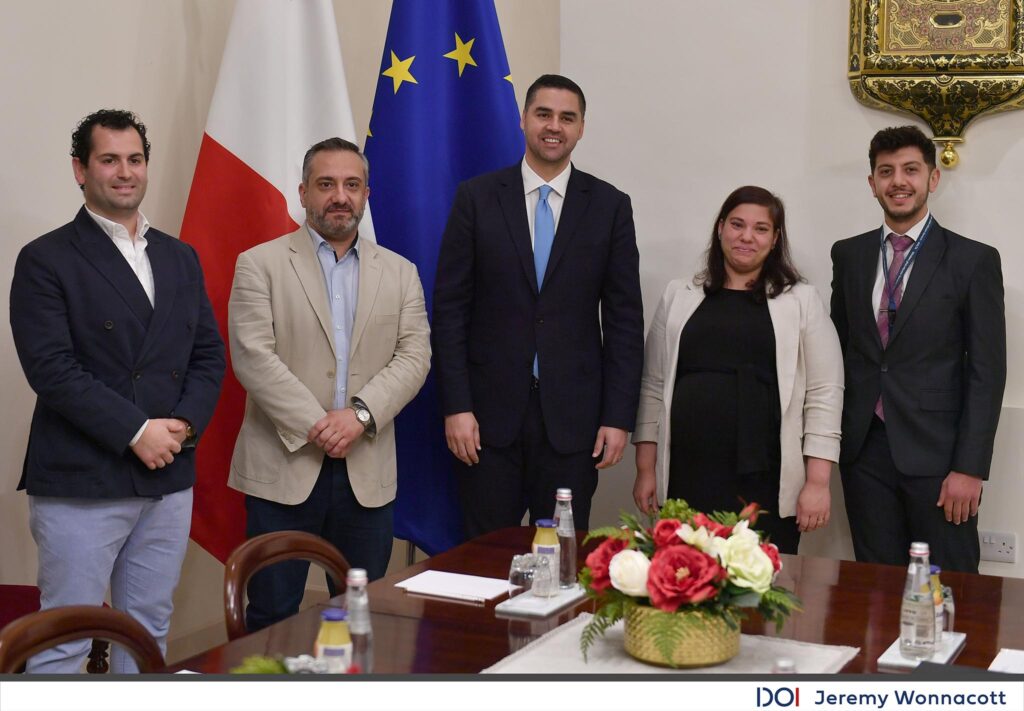
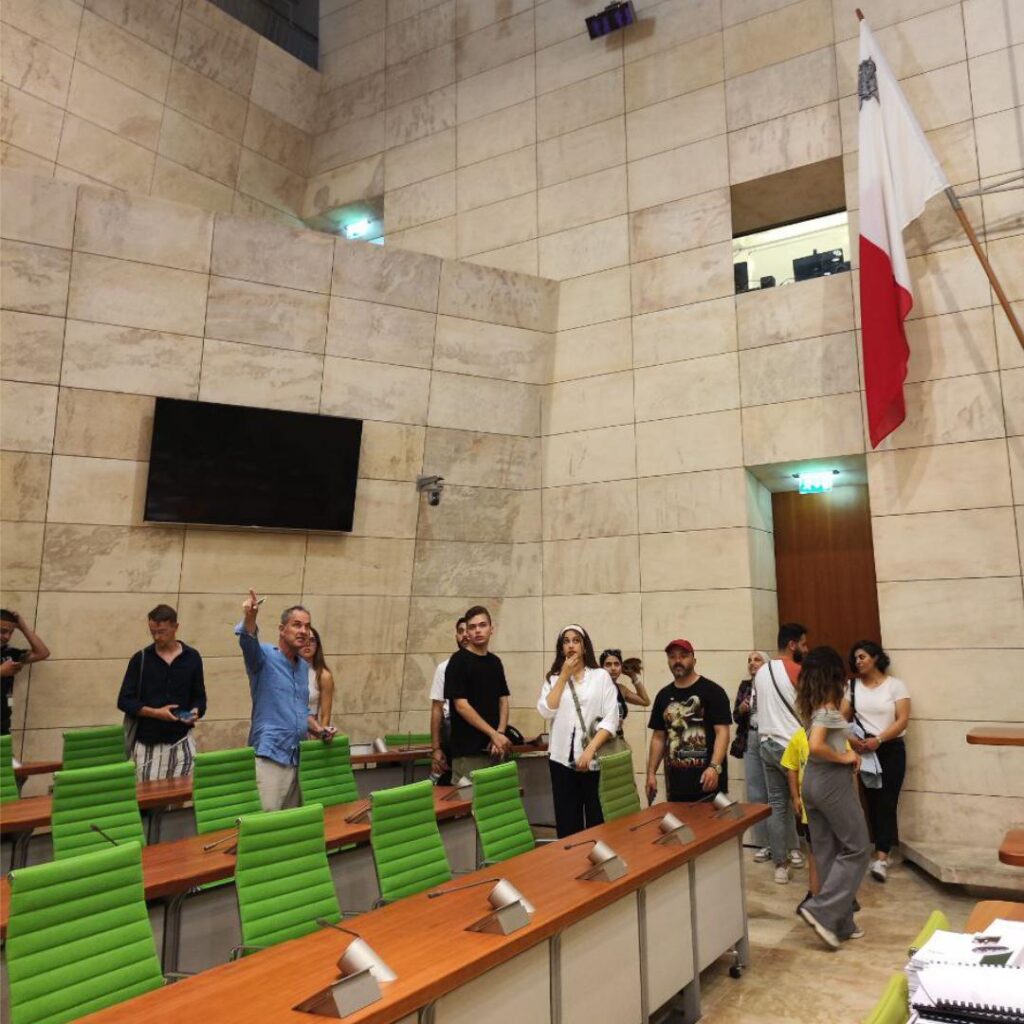
A major part of the direction was stakeholder orchestration. The initiative was coordinated with the Maltese Ministry for Foreign Affairs, supported by the Representative Office of Malta in Ramallah, and involved direct engagement with ministers and the Ambassador of Palestine to Malta.
Alongside the programme content, the delivery required building the infrastructure behind it: accommodation, transport, studio space, SIM cards, food supplies, insurance, sponsorship, and a clear financial system to track funds responsibly.
Outcome
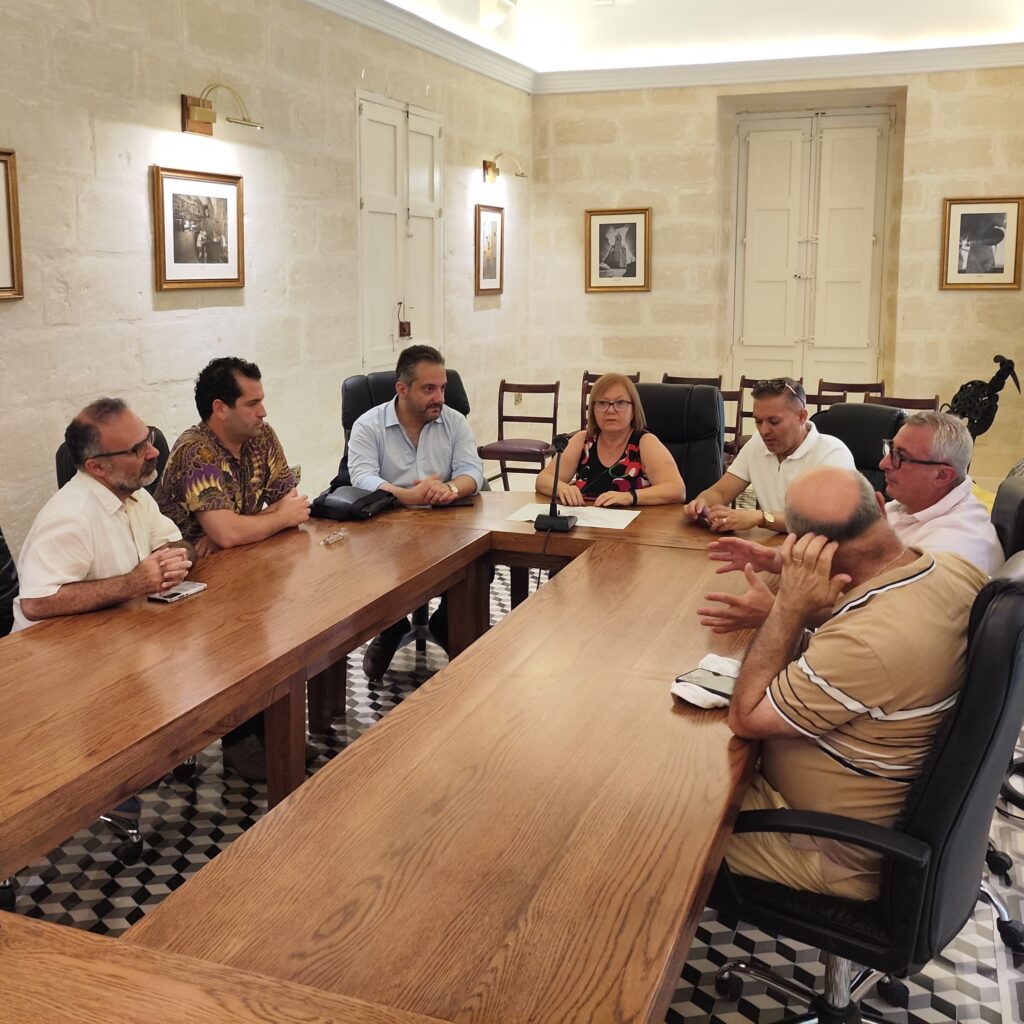
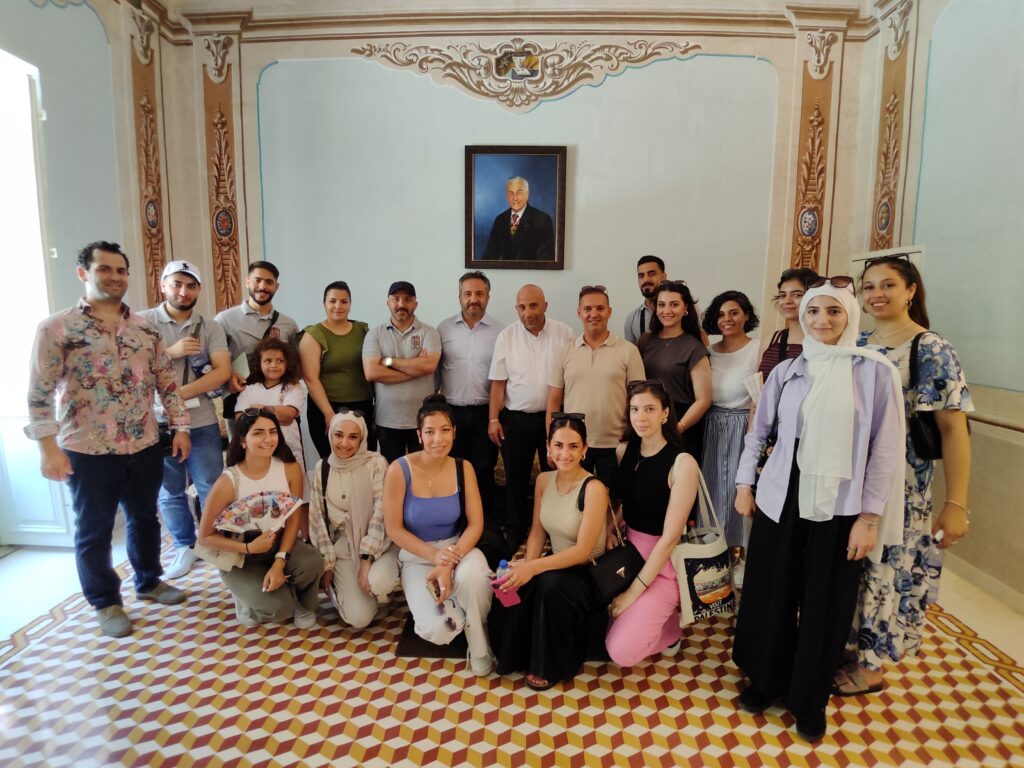
The initiative concluded with comprehensive proposals for Misraħ Santa Marija, shaped by community input and professional guidance, and presented to the Żejtun Local Council and members of the Perit profession.
More importantly, the workshop demonstrated what happens when cultural exchange is treated as a real project rather than a symbolic gesture. It strengthened ties between Maltese and Palestinian professionals, created shared learning, and reinforced a Mediterranean cultural identity through architecture and public space.
As a follow-up, the Żejtun Local Council requested a copy of the design proposals to take the work forward towards execution.