In 2016 and 2017, Joeaby was appointed curator of the art exhibitions forming part of two consecutive editions of a cultural initiative marking the legacy of Saints Cyril and Methodius.
Context
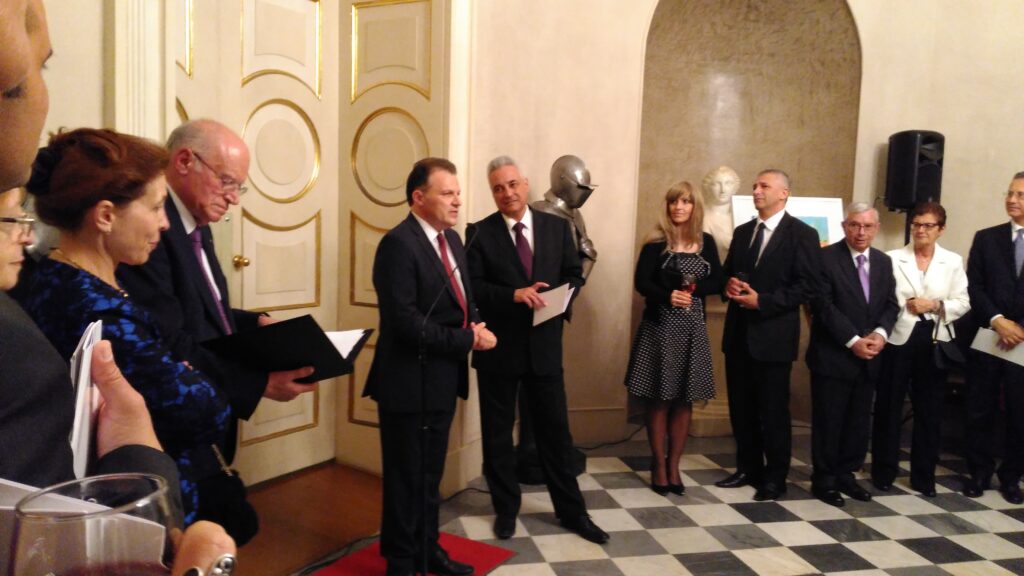
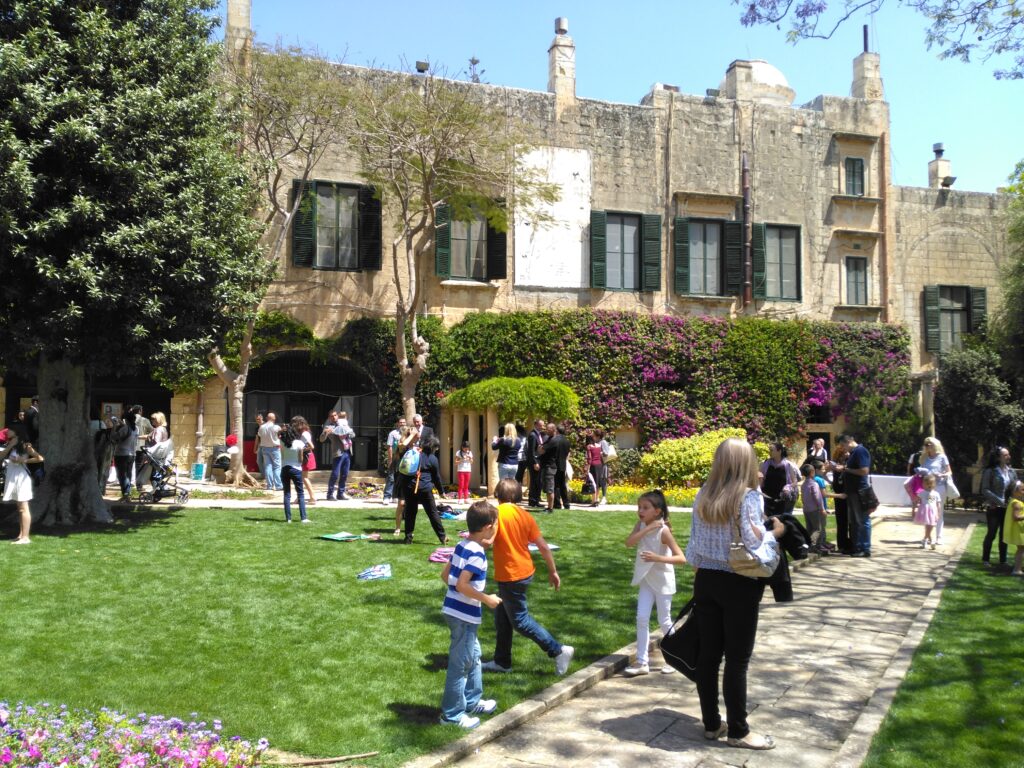
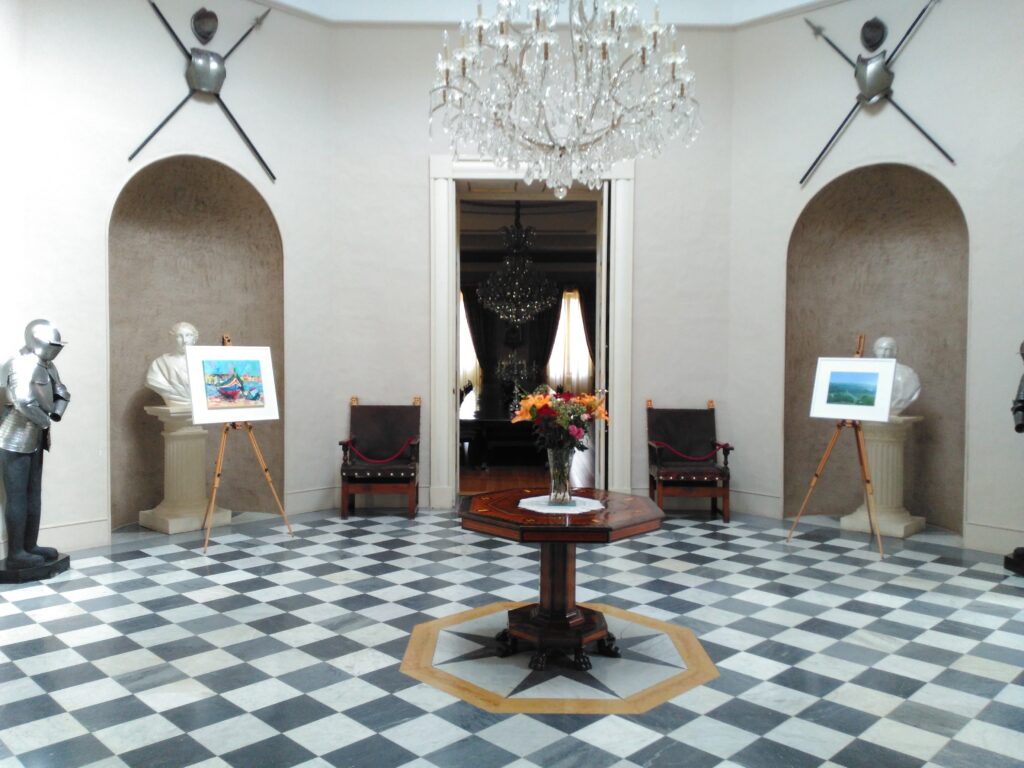
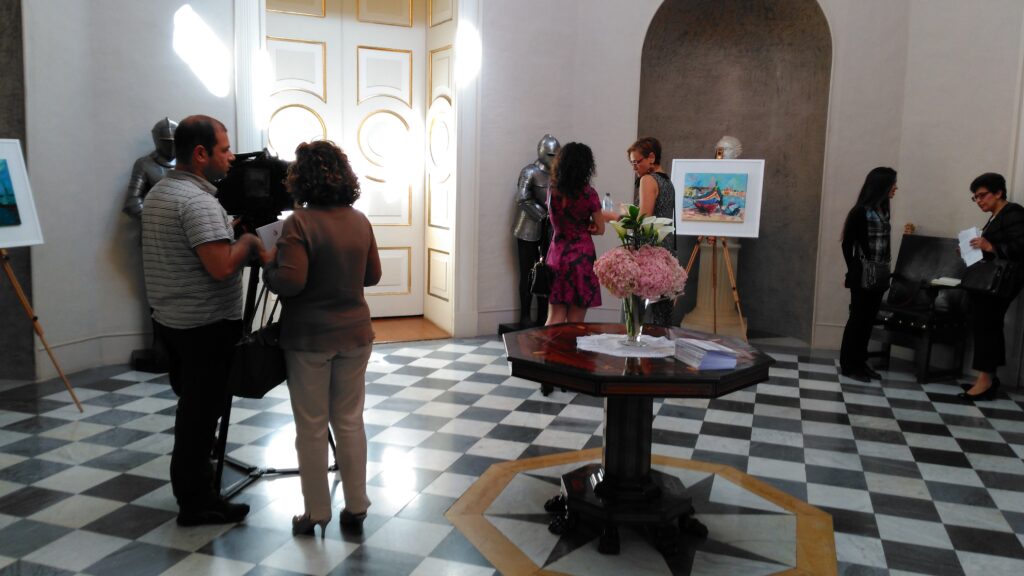
The initiative was organised by the Embassy of Malta to Bulgaria and held under the Patronage of the President of Malta at San Anton Palace, forming part of Malta’s official cultural and diplomatic programme.
The Embassy engaged Joeaby at the request of H.E. Prof. Lino Bianco, then Ambassador of Malta to Bulgaria, to curate the exhibitions that anchored the programme. The curatorial framework was maintained across both editions, allowing the initiative to develop continuity and depth over time.
Fit & Intent
The curatorial brief centred on Malta as interpreted by artists for whom the island is not home. This external perspective was used deliberately—to question assumptions, disrupt nostalgia, and reveal aspects of place that often escape local attention.
Rather than relying on idealised or touristic imagery, the exhibitions balanced recognisable landmarks with everyday realities. Industrial zones, seasonal atmospheres, and ordinary scenes were presented alongside iconic views, proposing a broader, more nuanced reading of the island when observed from outside.
Direction
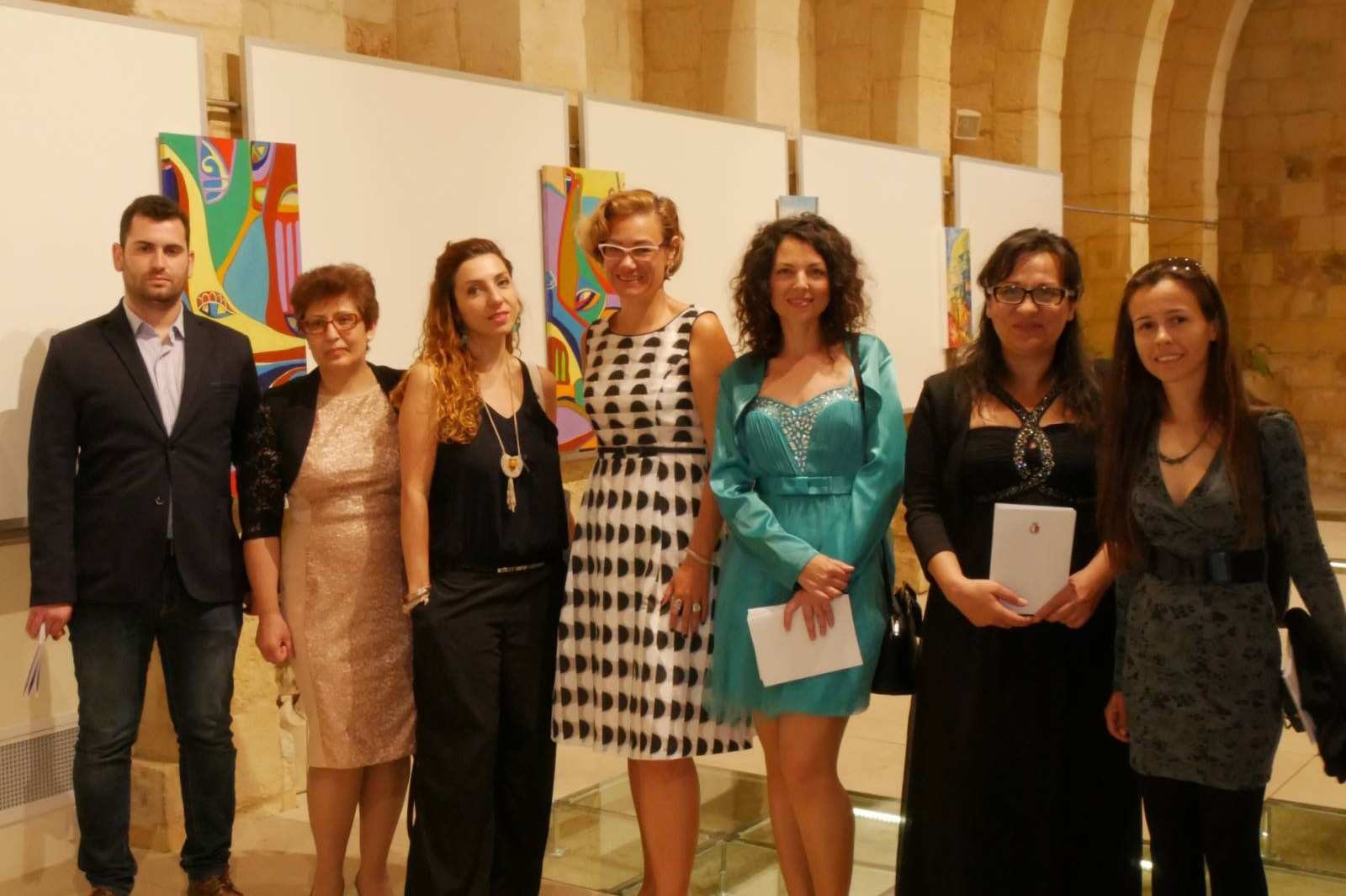
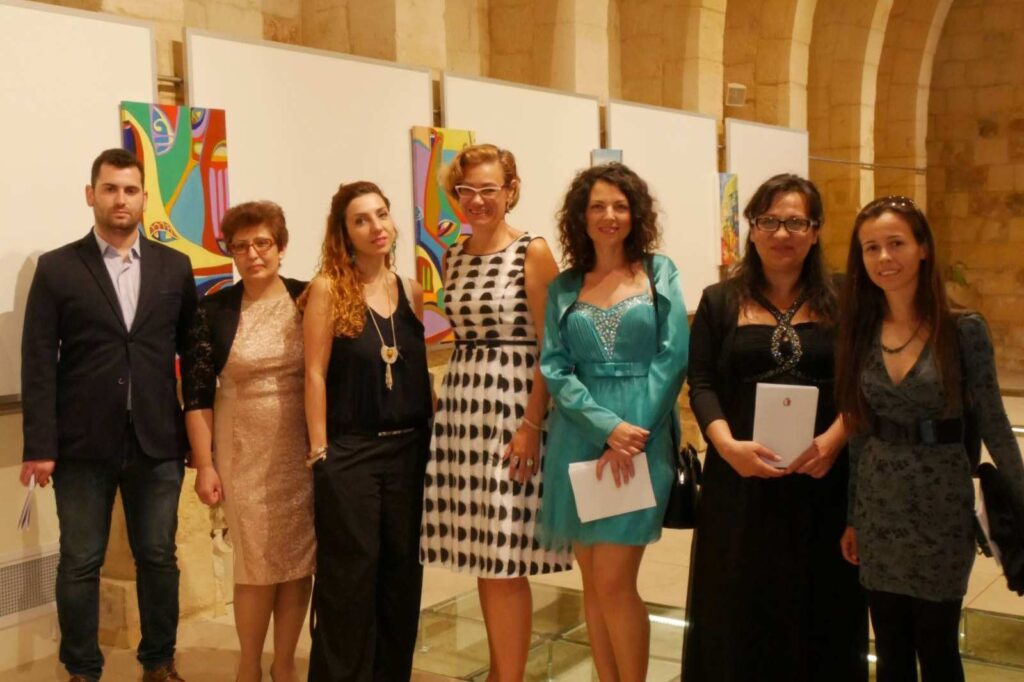
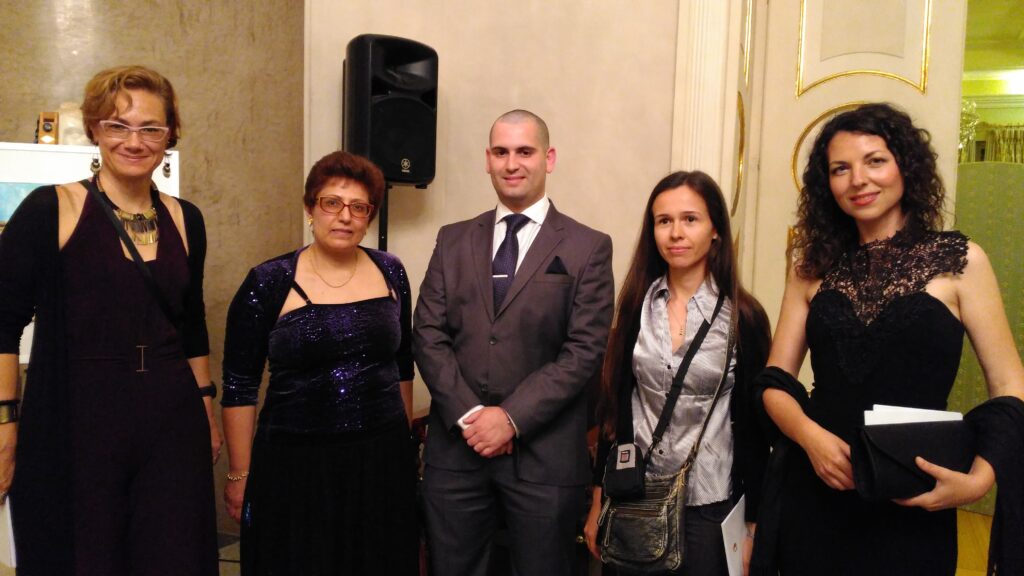
Across both editions, Joeaby curated fine art exhibitions featuring Bulgarian artists living and working in Malta, staged within the formal setting of San Anton Palace. Works were selected and sequenced to allow differing interpretations of place to sit in quiet dialogue, connected by a shared condition: the island and its surrounding sea.
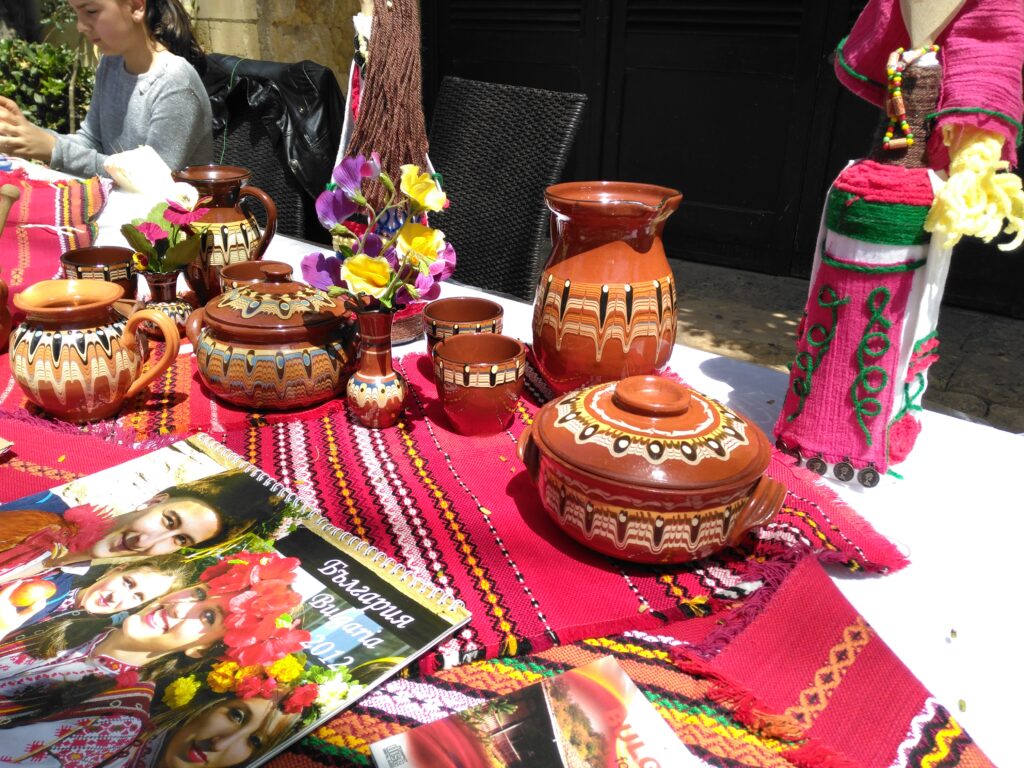
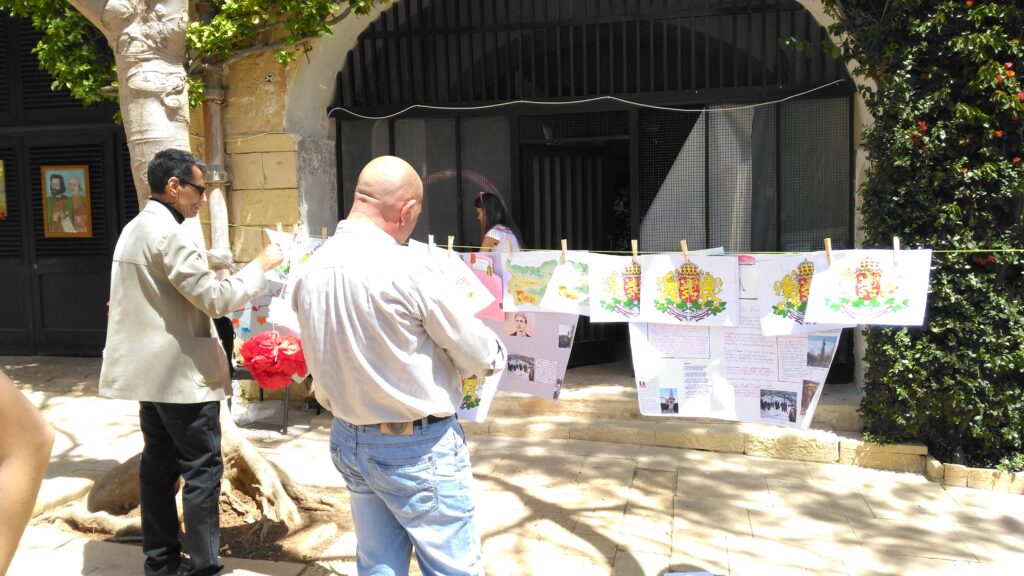
The exhibitions were complemented by academic lectures on Cyril and Methodius in historical iconography, alongside musical performances and contributions involving members of the Bulgarian community in Malta.
Outcome
The initiative demonstrated how cultural authorship can function as a diplomatic instrument. By placing curated practice at the centre of exchange, rather than relying on protocol alone, the programme opened space for dialogue, recognition, and shared understanding.
The exhibitions affirmed the capacity of art to communicate across linguistic and political boundaries, reinforcing its role in building trust, visibility, and enduring cultural ties between nations.