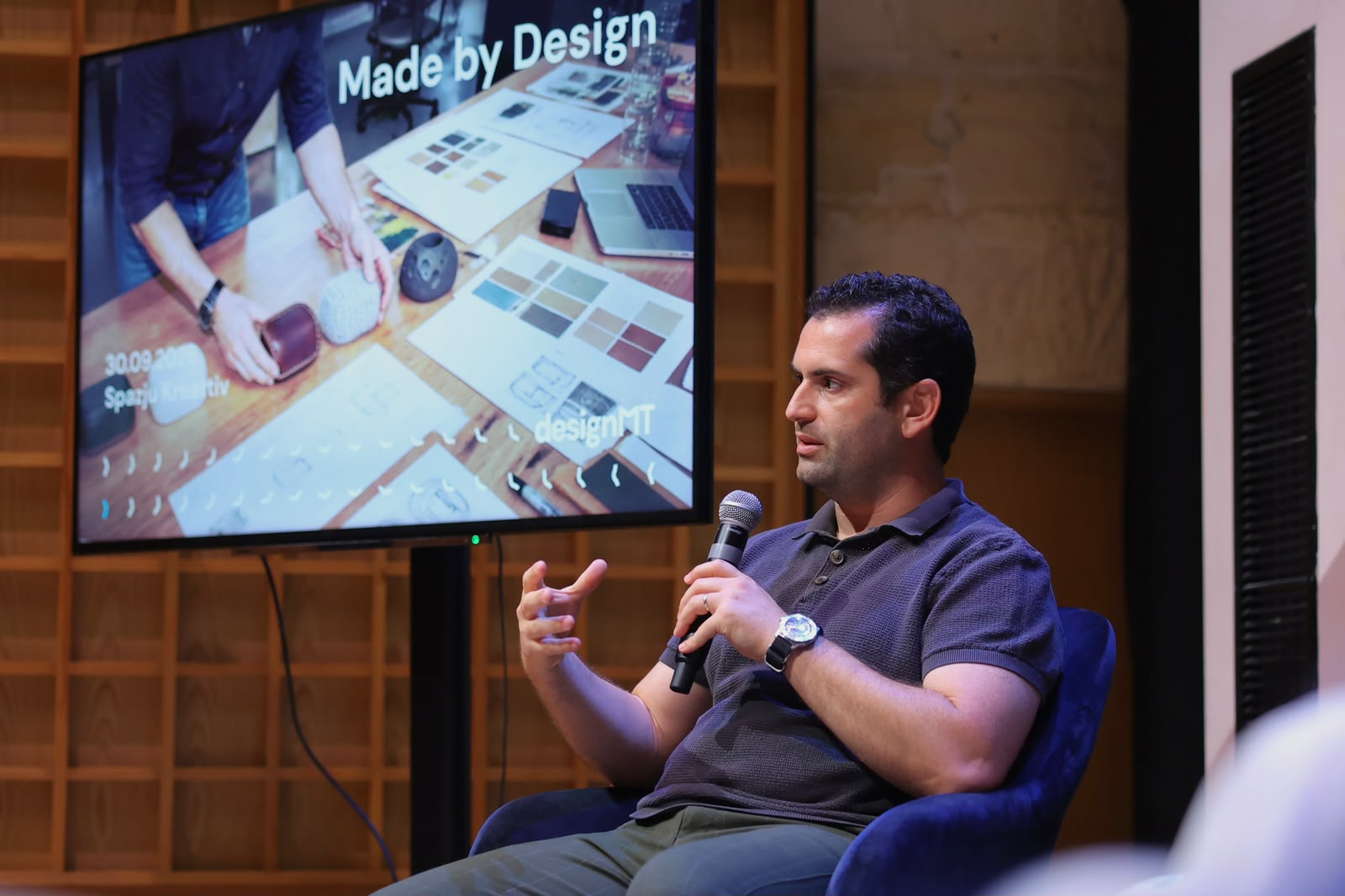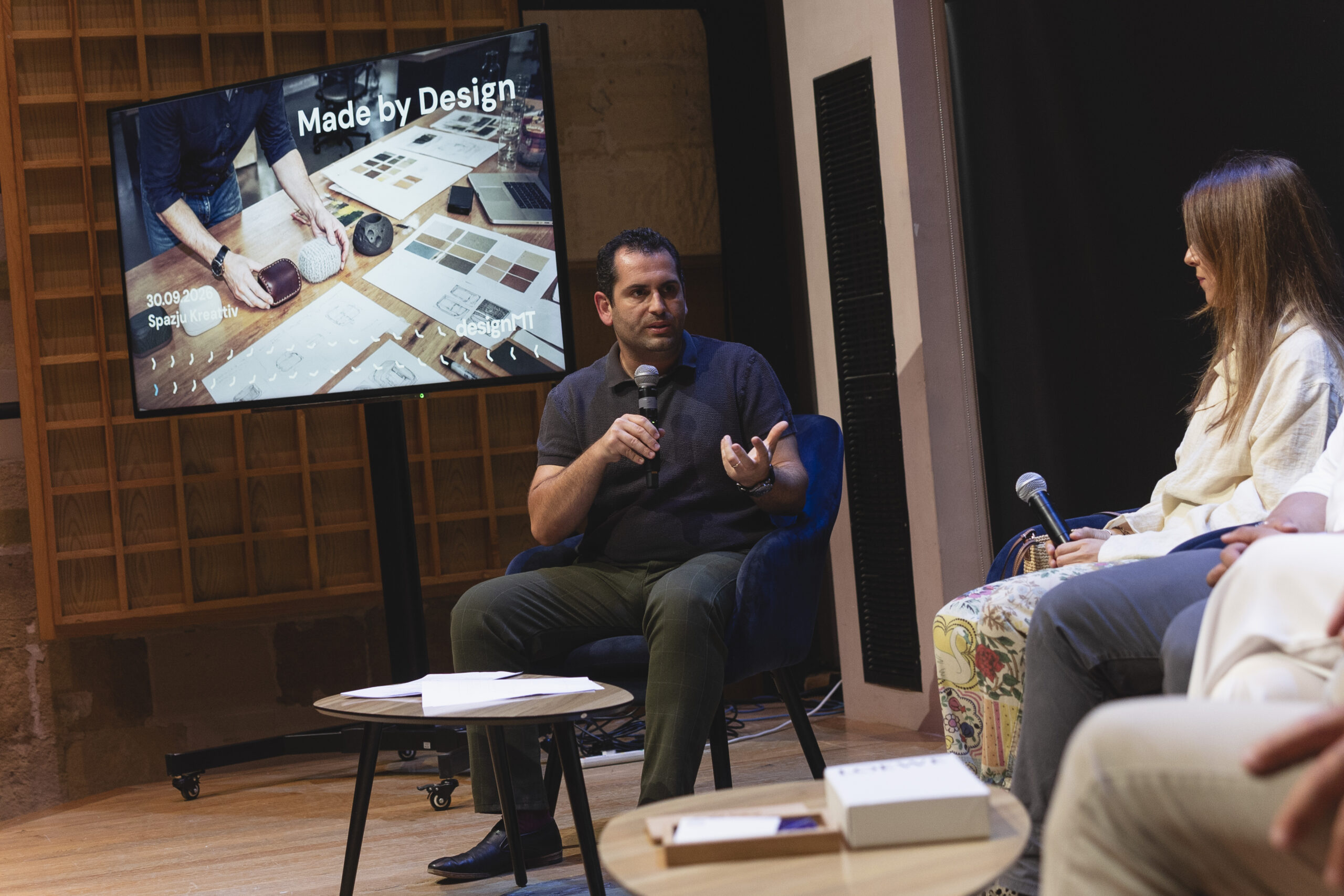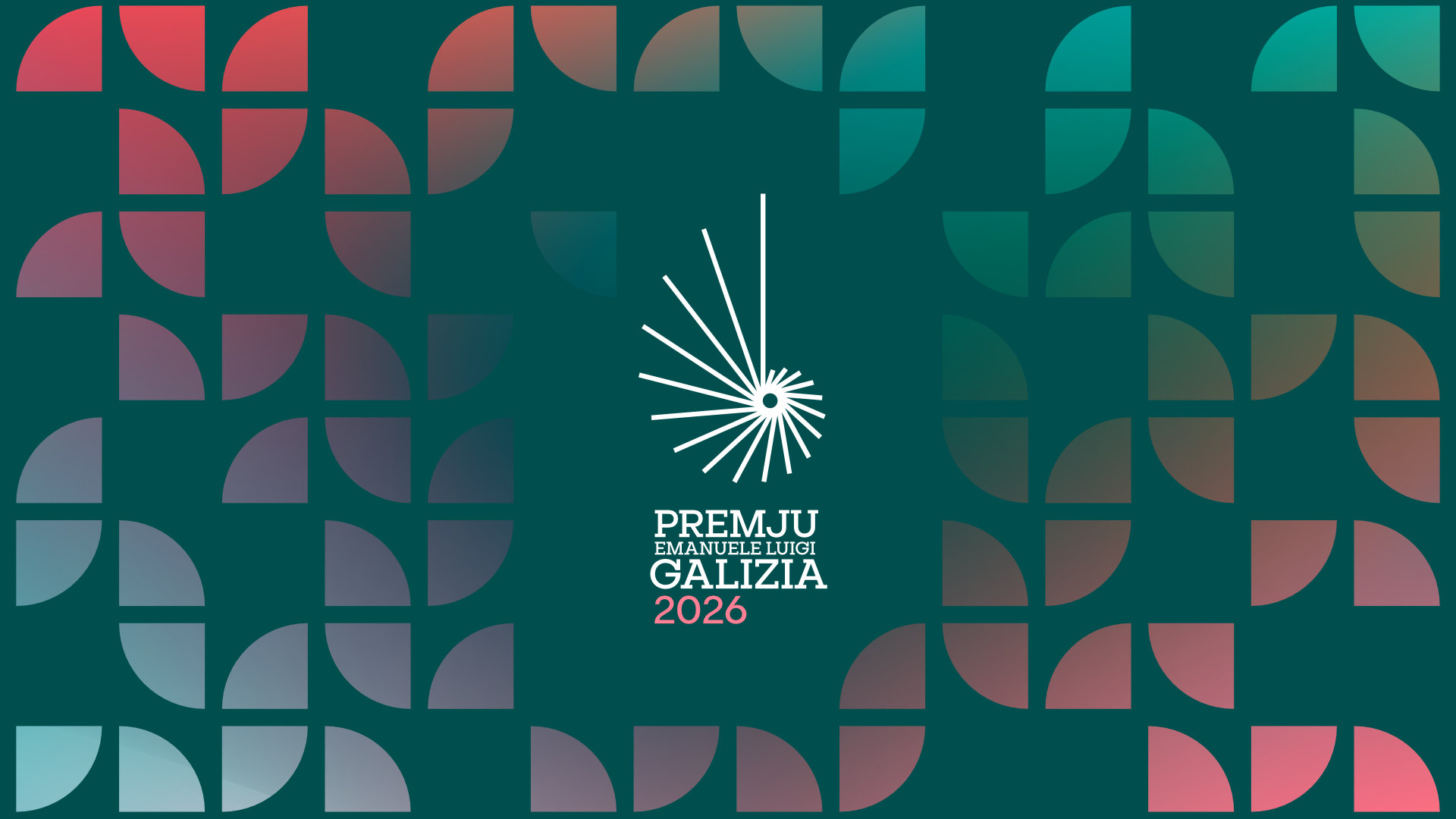
designMT was built to give Malta’s design week a name, a voice, and a presence from day one. The aim was simple: make it feel like a cultural platform, not a one-off event, and give it a visual identity that could carry ambition without trying too hard.








Context
designMT was conceived by the Malta Crafts Foundation as a new design week for Malta, intended to showcase contemporary practice across disciplines and locations. At the start, there was no programme history to lean on and no existing identity to refine. The work was about setting the foundations.
Joeaby worked closely with the Malta Crafts Foundation team to develop the name and shape the visual identity system, defining how designMT would be recognised, communicated, and carried across future editions.
Fit & Intent
When something is new, identity is not decoration. It is the first piece of structure. It sets tone, builds trust, and makes the platform feel real before the public ever experiences it.
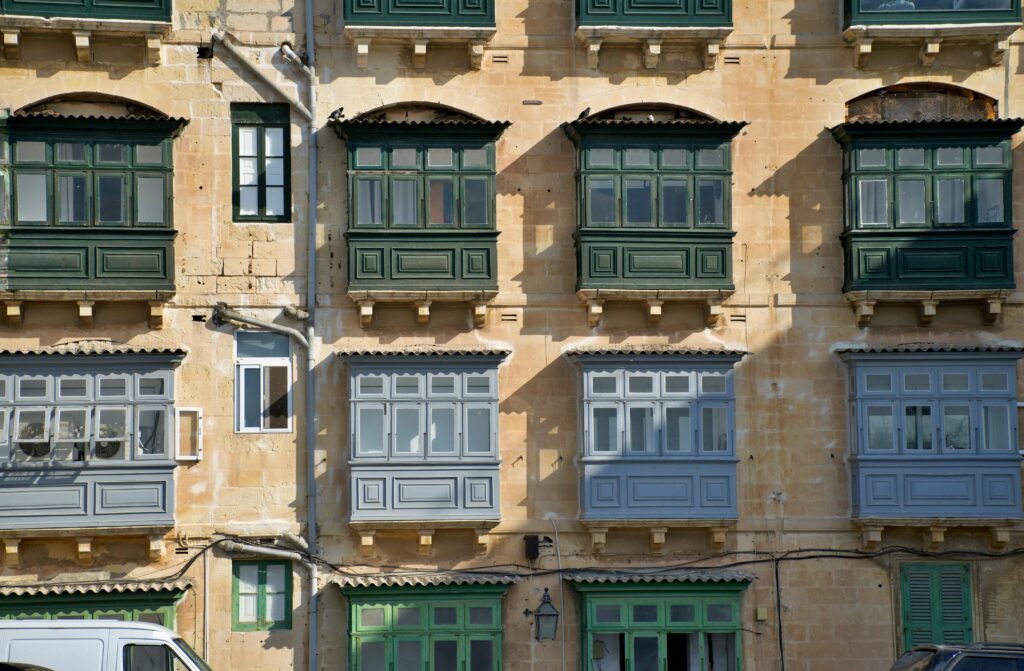
The intent was to create a name and identity that could hold a broad design culture without narrowing it, while staying clearly grounded in Malta. Contemporary, but not imported. Local, but not folkloric. Confident, but not loud.
Direction
The name was developed to be direct and usable, a clear container that could hold craft, industry, exhibition, discourse, and public participation without needing explanation.
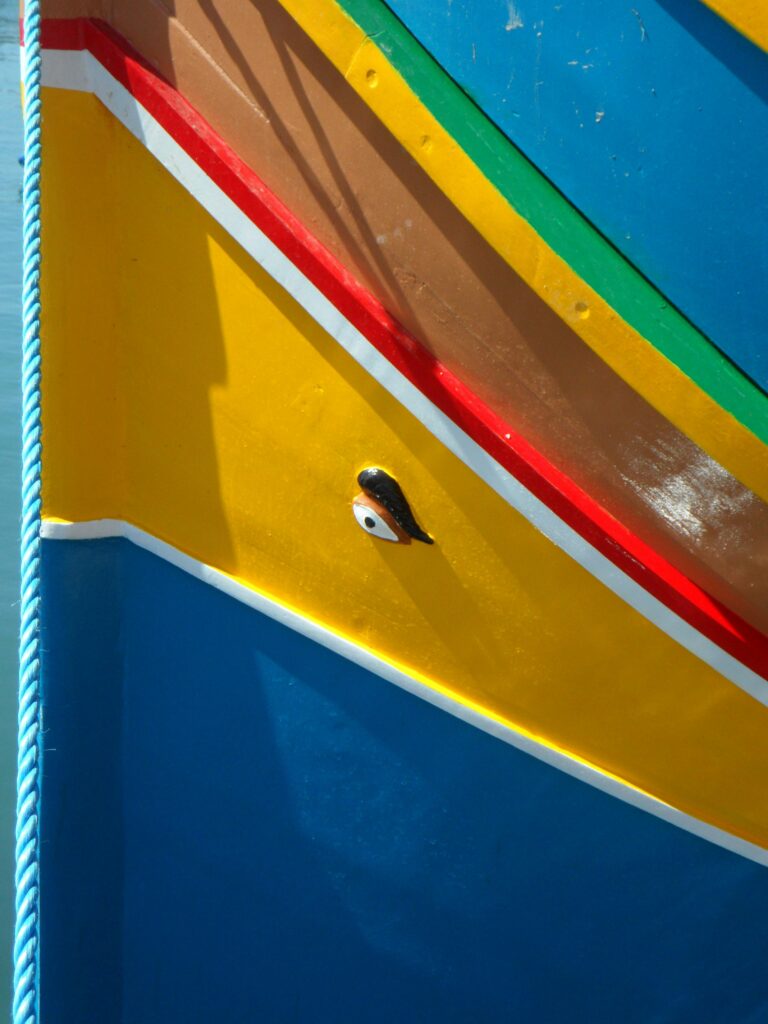
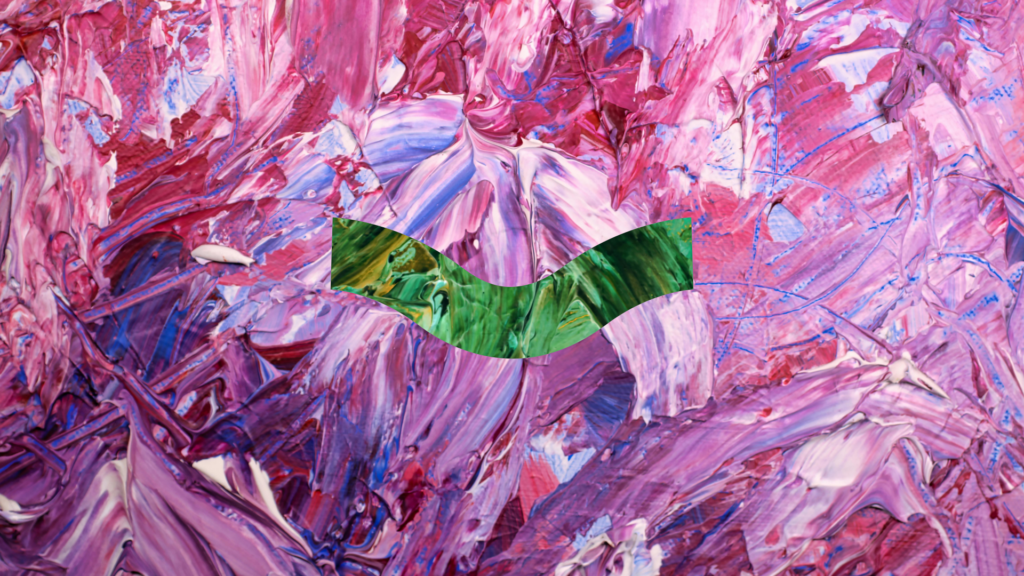
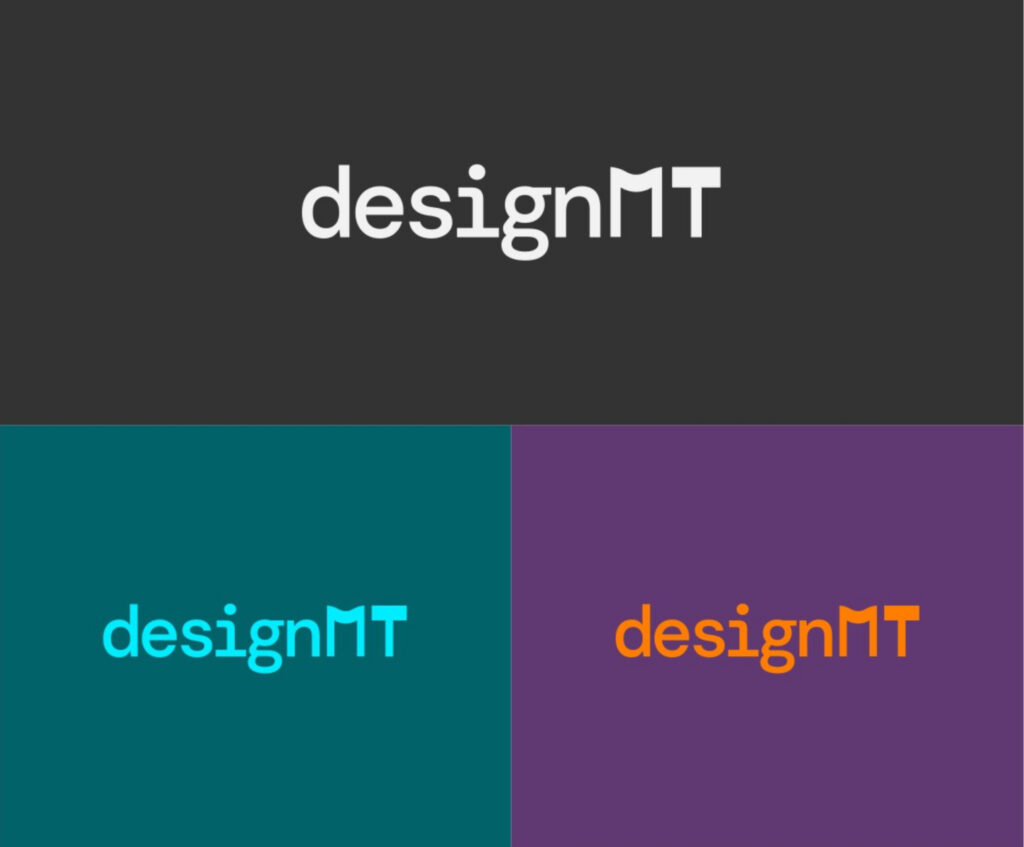
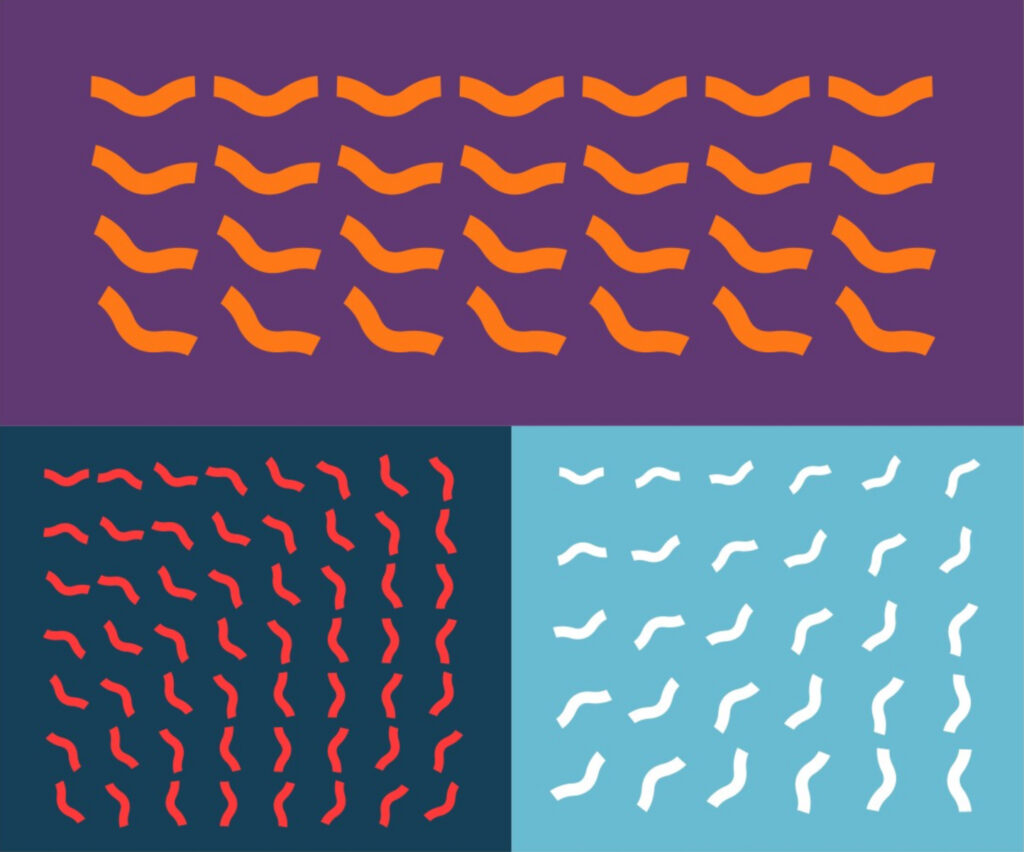
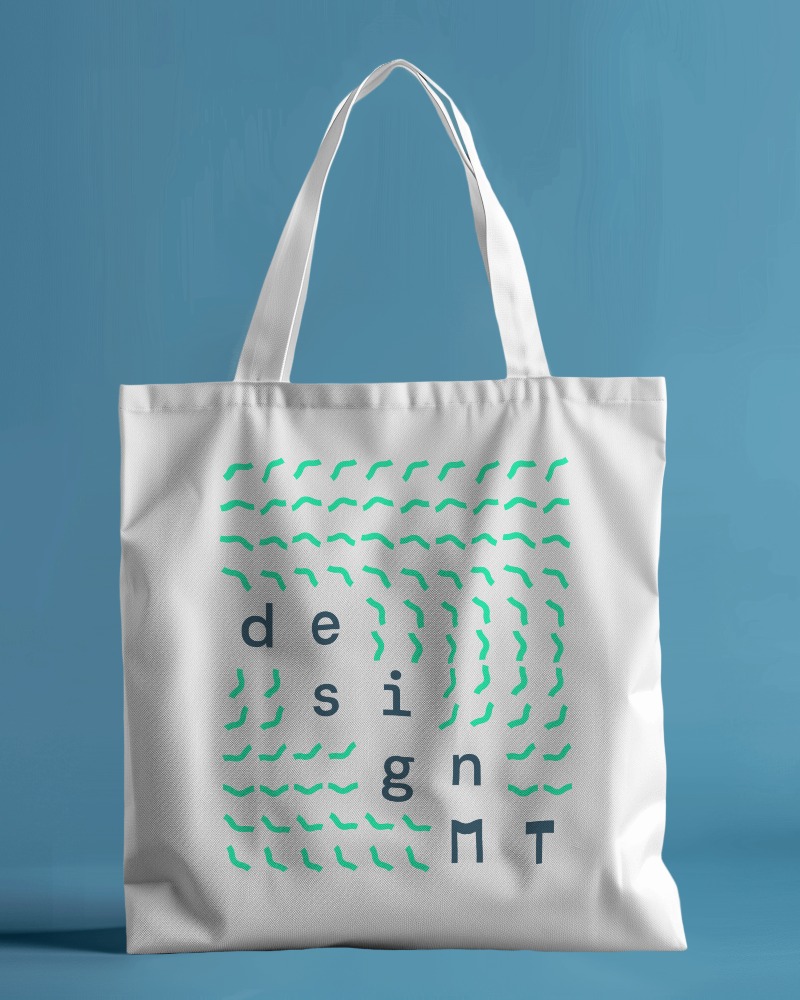
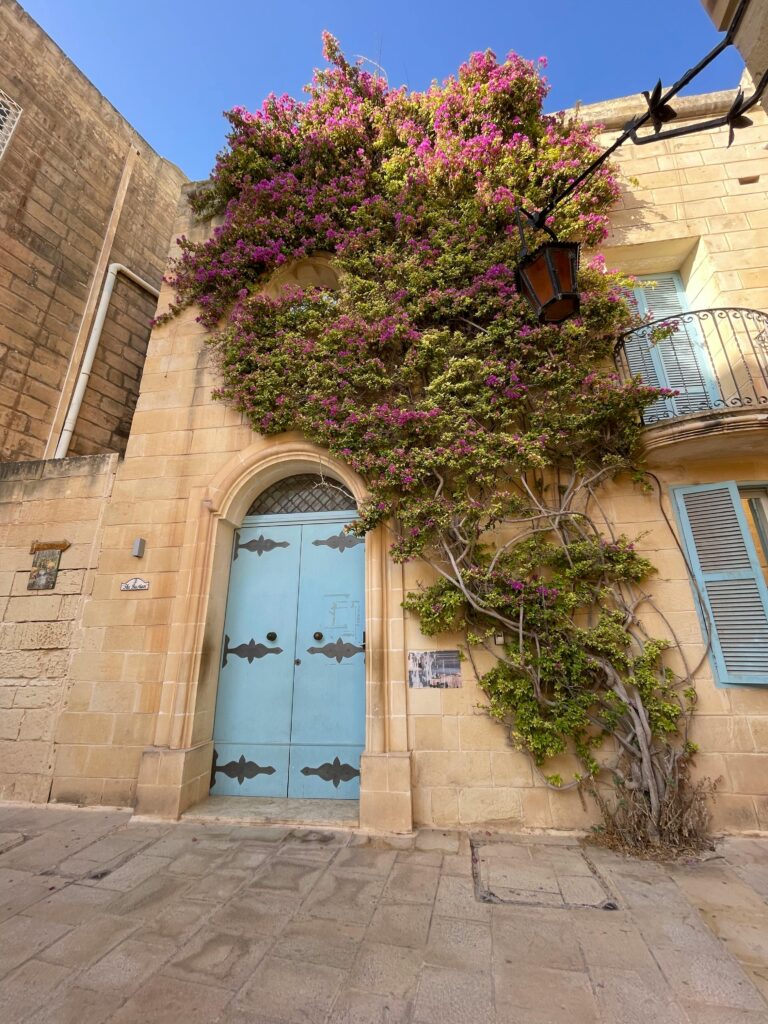
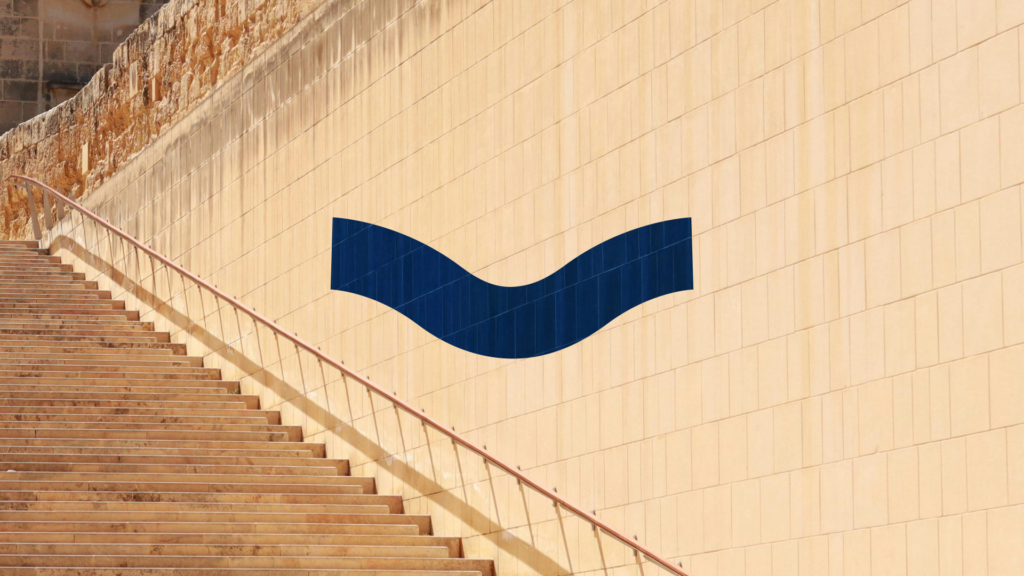
The identity system was designed to scale. A disciplined logotype gave it backbone. Colour was treated as cultural material, drawn from local reference and sharpened into a contemporary palette. A repeatable graphic element introduced rhythm and movement, so the identity could expand across formats without losing itself.
Everything was built with one rule in mind: the platform needed to feel coherent across space, signage, print, and digital, without becoming overdesigned.
Outcome
designMT launched with a complete naming and identity system that established the design week as a cultural signal from the start. The result was a visual language that feels grounded and contemporary, structured enough to grow, and distinct enough to be remembered, even before the programme had built its own history.