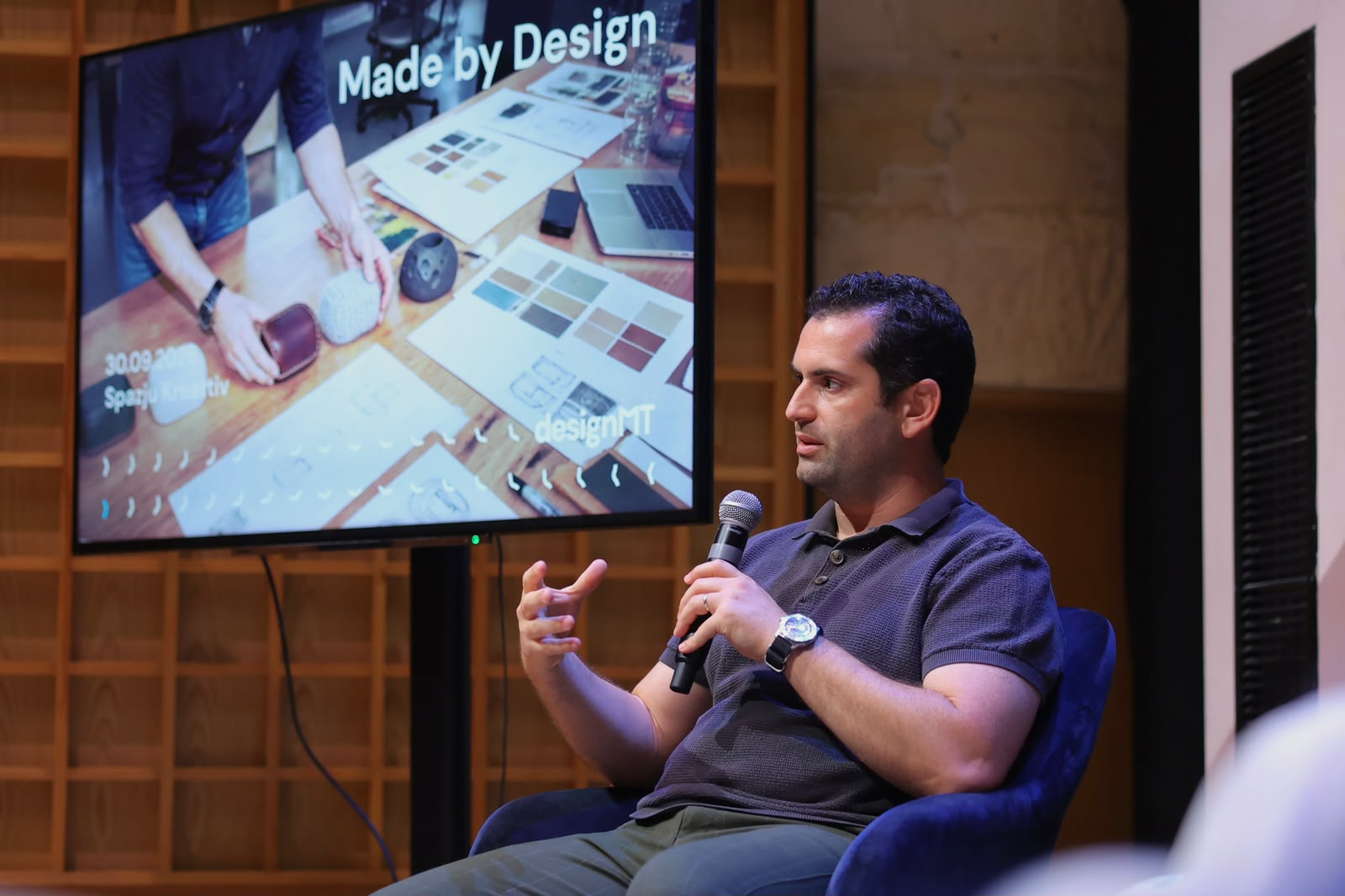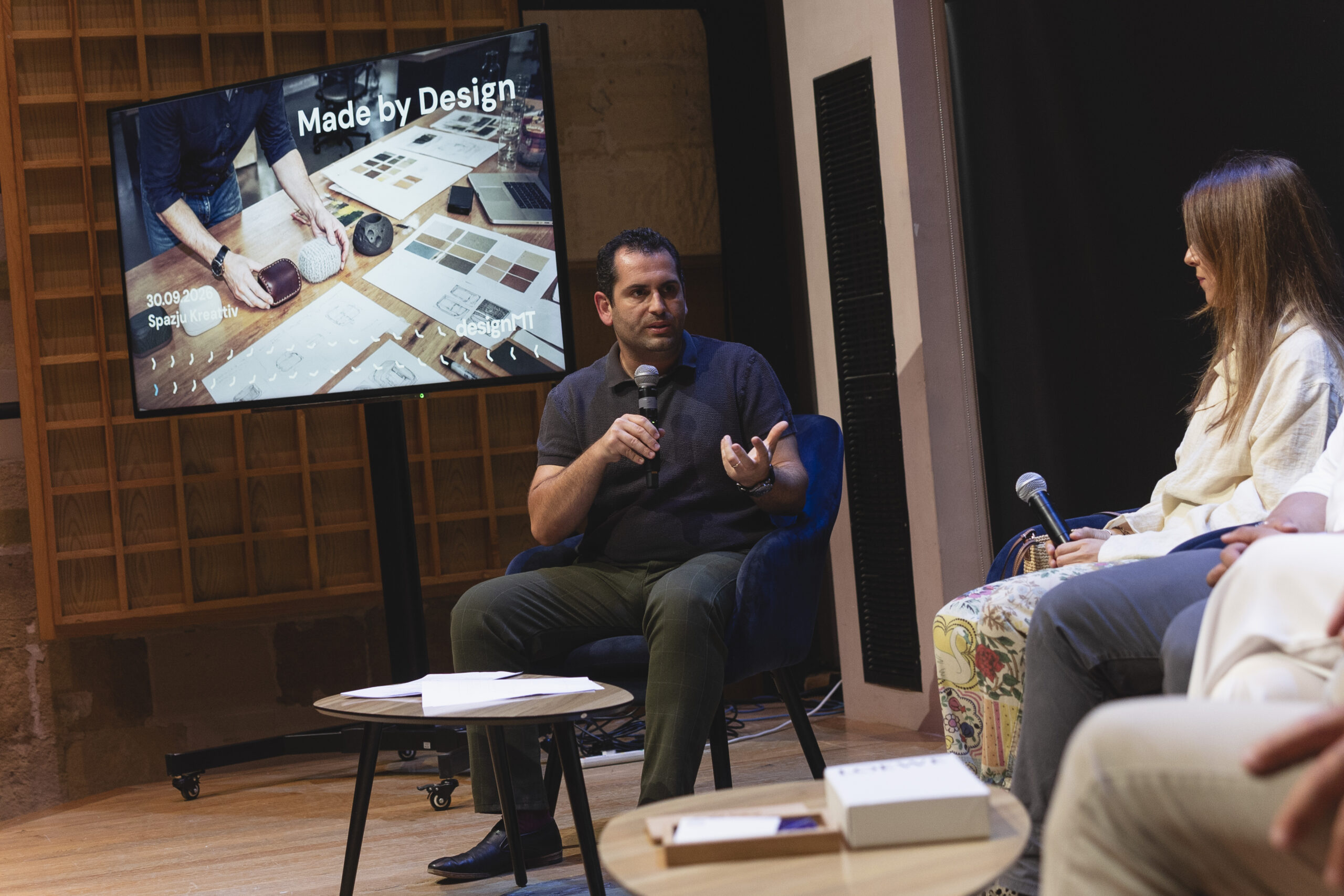
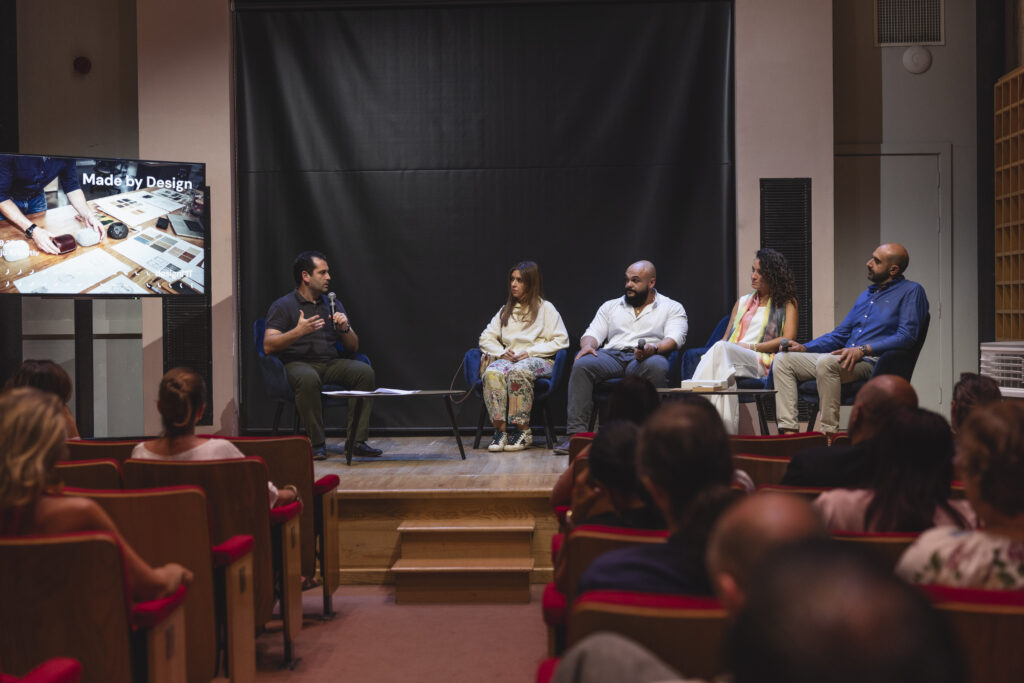
Moderated ‘Made by Design’ for designMT, leading a panel discussion with designers and craftspeople on cross-disciplinary collaboration, balancing computational tools with physical making, and navigating the market for short-run, artisan-led products versus mass manufacturing.
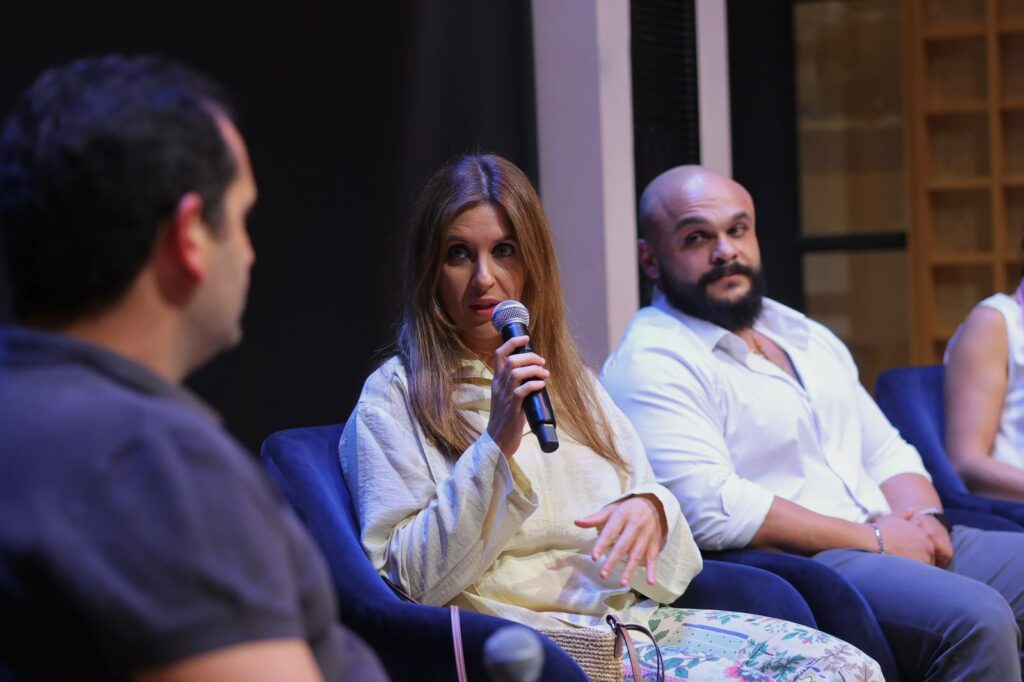
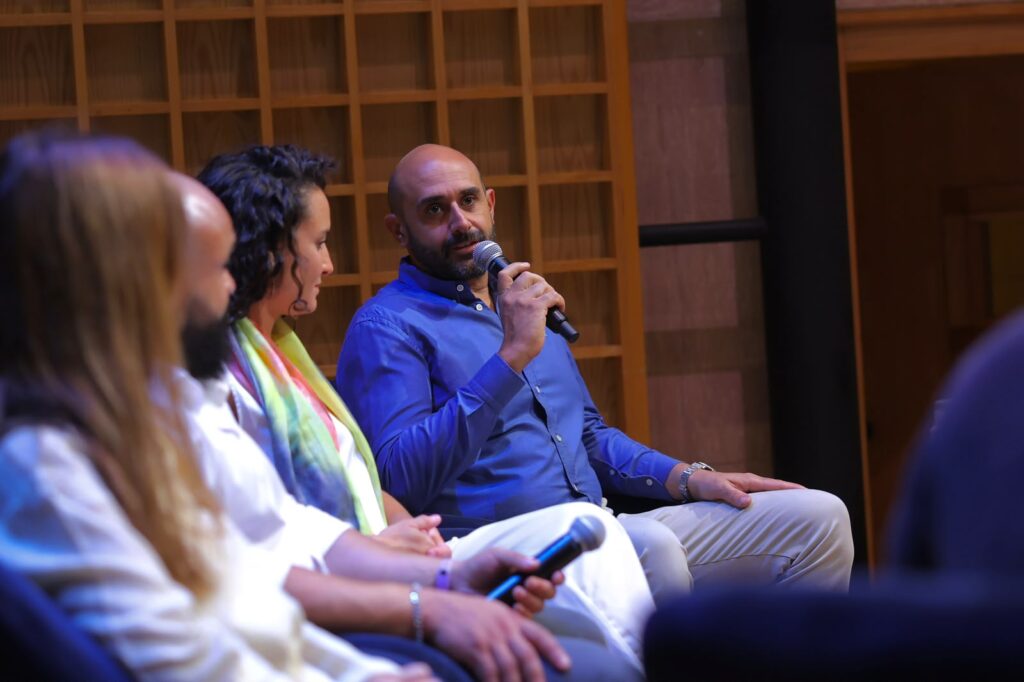
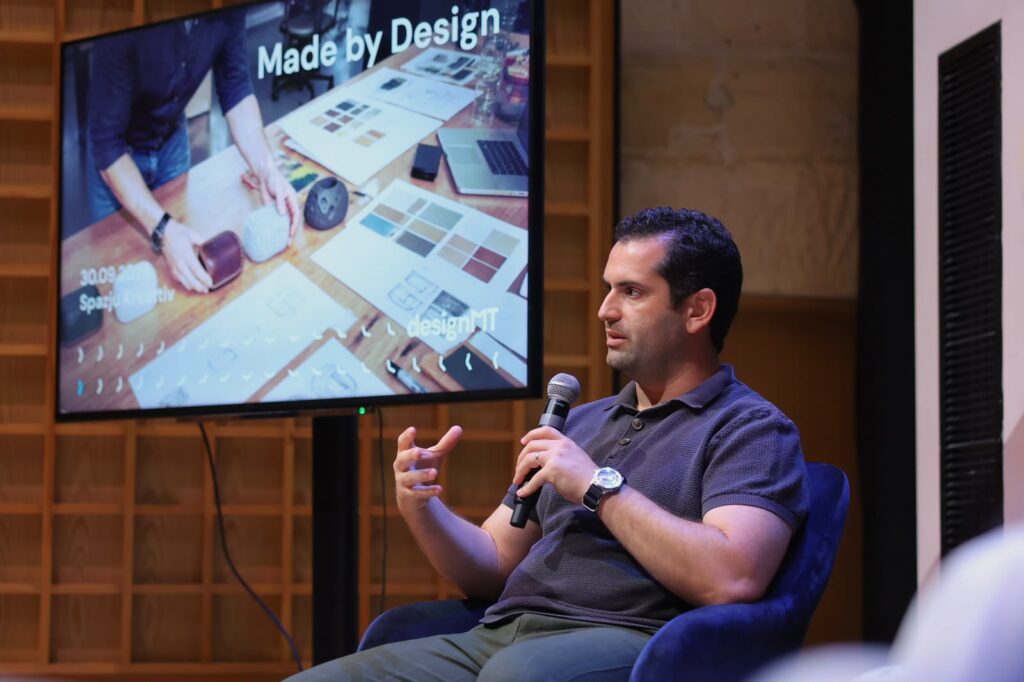
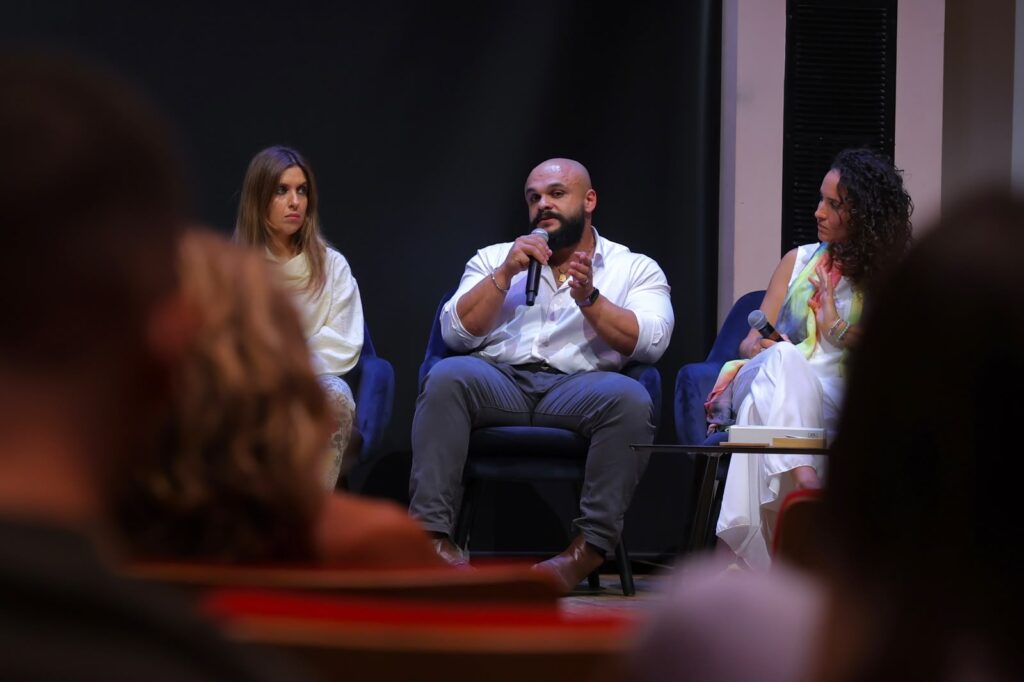
Photography: Jean Marc Zerafa for Malta Crafts Foundation
Context
As part of the thematic events programme of the 2026 designMT design expo, ‘Made by Design’ focused directly on the intersection of product design, traditional craftsmanship, and modern digital technology.
Serving as moderator for the panel discussion, Joeaby led the public dialogue examining how digital fabrication and emerging tools coexist with tactile material heritage, while addressing the practical dynamics between contemporary designers, traditional artisans, and the commercial market.
Fit & Intent
Discussions around craft and technology frequently overlook the human and commercial realities of production. The intention behind moderating ‘Made by Design’ was to move beyond abstract theory and interrogate the practical process of making.
The objective was to unpack the evolving relationship between the designer and the craftsperson, evaluate the real utility of cross-disciplinary collaboration, and provide an honest assessment of how the market values limited-run crafted products compared to mass-produced alternatives.
Direction
The debate was structured to follow the full arc of the making process, explicitly differentiating the conceptual, problem-solving role of the designer from the material mastery and technique of the craftsperson.
Rather than viewing these roles in isolation, the dialogue highlighted how successful collaborations create a productive feedback loop, where technical constraints inform design choices and designer perspectives push traditional tools into new territory. The session also examined how digital tools serve as a bridge between both disciplines, before turning to market dynamics.
Panelists explored the challenges of pricing, scaling, and positioning short-run, highly tactile products in a market dominated by low-cost, mass-manufactured goods, identifying where authentic value and consumer demand truly lie.
Outcome
The discussion delivered a clear, unvarnished look at the economic and creative realities facing makers today. By bridging the gap between traditional craft techniques, modern design thinking, and market viability, the panel established a pragmatic framework for practitioners looking to build sustainable, highly collaborative physical production models.